The post States invest in nuclear arsenals as geopolitical relations deteriorate—New SIPRI Yearbook out now appeared first on Core Sector Communique.
]]>(Stockholm, 12 June 2023) The Stockholm International Peace Research Institute (SIPRI) today launches its annual assessment of the state of armaments, disarmament and international security. A key finding of SIPRI Yearbook 2023 is that the number of operational nuclear weapons started to rise as countries’ long-term force modernization and expansion plans progressed.
Nuclear arsenals being fortified around the world
The nine nuclear-armed states—the United States, Russia, the United Kingdom, France, China, India, Pakistan, the Democratic People’s Republic of Korea (North Korea) and Israel—continue to modernize their nuclear arsenals and several deployed new nuclear-armed or nuclear-capable weapon systems in 2022.
Of the total global inventory of an estimated 12 512 warheads in January 2023, about 9576 were in military stockpiles for potential use—86 more than in January 2022 (see the table below). Of those, an estimated 3844 warheads were deployed with missiles and aircraft, and around 2000—nearly all of which belonged to Russia or the USA—were kept in a state of high operational alert, meaning that they were fitted to missiles or held at airbases hosting nuclear bombers.
Russia and the USA together possess almost 90 per cent of all nuclear weapons. The sizes of their respective nuclear arsenals (i.e. useable warheads) seem to have remained relatively stable in 2022, although transparency regarding nuclear forces declined in both countries in the wake of Russia’s invasion of Ukraine in February 2022.
In addition to their useable nuclear weapons, Russia and the USA each hold more than 1000 warheads previously retired from military service, which they are gradually dismantling.
SIPRI’s estimate of the size of China’s nuclear arsenal increased from 350 warheads in January 2022 to 410 in January 2023, and it is expected to keep growing. Depending on how it decides to structure its forces, China could potentially have at least as many intercontinental ballistic missiles (ICBMs) as either the USA or Russia by the turn of the decade.
‘China has started a significant expansion of its nuclear arsenal,’ says Hans M. Kristensen, Associate Senior Fellow with SIPRI’s Weapons of Mass Destruction Programme and Director of the Nuclear Information Project at the Federation of American Scientists (FAS). ‘It is increasingly difficult to square this trend with China’s declared aim of having only the minimum nuclear forces needed to maintain its national security.’
Although the UK is not thought to have increased its nuclear weapon arsenal in 2022, the warhead stockpile is expected to grow in the future as a result of the British government’s announcement in 2021 that it was raising its limit from 225 to 260 warheads. The government also said it would no longer publicly disclose its quantities of nuclear weapons, deployed warheads or deployed missiles. In 2022 France continued its programmes to develop a third-generation nuclear-powered ballistic missile submarine (SSBN) and a new air-launched cruise missile, as well as to refurbish and upgrade existing systems
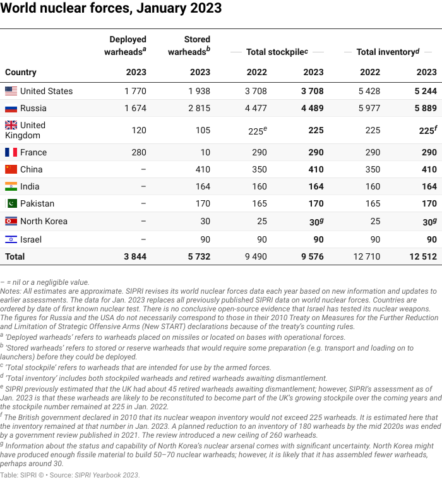
India and Pakistan appear to be expanding their nuclear arsenals, and both countries introduced and continued to develop new types of nuclear delivery system in 2022. While Pakistan remains the main focus of India’s nuclear deterrent, India appears to be placing growing emphasis on longer-range weapons, including those capable of reaching targets across China.
North Korea continues to prioritize its military nuclear programme as a central element of its national security strategy. While North Korea conducted no nuclear test explosions in 2022, it conducted more than 90 tests of missiles. Some of these missiles, which include new ICBMs, may be capable of carrying nuclear warheads. SIPRI estimates that the country has now assembled around 30 warheads and possesses enough fissile material for a total of 50–70 warheads, both significant increases over the estimates for January 2022.
Israel—which does not publicly acknowledge possessing nuclear weapons—is also believed to be modernizing its nuclear arsenal.
‘Most of the nuclear-armed states are hardening their rhetoric about the importance of nuclear weapons, and some are even issuing explicit or implicit threats about potentially using them,’ said Matt Korda, Associate Researcher with SIPRI’s Weapons of Mass Destruction Programme and Senior Research Associate with the FAS Nuclear Information Project. ‘This elevated nuclear competition has dramatically increased the risk that nuclear weapons might be used in anger for the first time since World War II.’
‘With billion-dollar programmes to modernize, and in some cases expand, nuclear arsenals, the five nuclear weapon states recognized by the Nuclear Non-Proliferation Treaty seem to be moving further and further from their commitment to disarmament under the treaty,’ said Wilfred Wan, Director of SIPRI’s Weapons of Mass Destruction Programme.
Nuclear diplomacy dealt a further blow by Russia’s invasion of Ukraine
Nuclear arms control and disarmament diplomacy suffered major setbacks following Russia’s full-scale invasion of Ukraine in February 2022. In the wake of the invasion, the USA suspended its bilateral strategic stability dialogue with Russia. In February 2023 Russia announced it was suspending its participation in the 2010 Treaty on Measures for the Further Reduction and Limitation of Strategic Offensive Arms (New START)—the last remaining nuclear arms control treaty limiting Russian and US strategic nuclear forces. Talks about a follow-on treaty to New START, which expires in 2026, were also suspended. Nevertheless, by SIPRI’s assessment, both countries’ deployed strategic nuclear forces remained within the New START limits as of January 2023.
Iran’s military support to Russian forces in Ukraine and the political situation in Iran also overshadowed talks on reviving the Joint Comprehensive Plan of Action (JCPOA), the 2015 agreement meant to prevent Iran from developing nuclear weapons. The JCPOA’s revival now seems increasingly unlikely.
The USA and the UK both declined to release information to the public concerning their nuclear forces in 2022, which they had done in previous years.
‘In this period of high geopolitical tension and mistrust, with communication channels between nuclear-armed rivals closed or barely functioning, the risks of miscalculation, misunderstanding or accident are unacceptably high,’ says Dan Smith, SIPRI Director. ‘There is an urgent need to restore nuclear diplomacy and strengthen international controls on nuclear arms.’
Global security and stability in increasing peril
The 54th edition of the SIPRI Yearbook reveals the continuing deterioration of global security over the past year. The impacts of the war in Ukraine are visible in almost every aspect of the issues connected to armaments, disarmament and international security examined in the Yearbook. Nevertheless, it was far from being the only major conflict being waged in 2022, and acute geopolitical tensions, mistrust and division had been growing long before Russia’s full-scale invasion of its neighbour.
‘We are drifting into one of the most dangerous periods in human history,’ says Dan Smith, SIPRI Director. ‘It is imperative that the world’s governments find ways to cooperate in order to calm geopolitical tensions, slow arms races and deal with the worsening consequences of environmental breakdown and rising world hunger.’ In addition to the usual detailed coverage of nuclear arms control, disarmament and non-proliferation issues, the SIPRI Yearbook presents data and analysis on developments in world military expenditure, international arms transfers, arms production, multilateral peace operations, armed conflicts and more. Special sections in SIPRI Yearbook 2023 explore the rise of private military and security companies such as the Wagner Group, and the related impact on peace and security; how the war in Ukraine has affected governance of space and cyberspace; the attacks on nuclear power plants during the fighting in Ukraine, and their implications; and the regulation of new technologies such as autonomous weapon systems.
About the SIPRI Yearbook
The SIPRI Yearbook is a compendium of cutting-edge information and analysis on developments in armaments, disarmament and international security. Three major SIPRI Yearbook 2023 data sets were pre-launched in 2022–23: total arms sales by the top 100 arms-producing companies (December 2022), international arms transfers (March 2023) and world military expenditure (April 2023). The SIPRI Yearbook is published by Oxford University Press. Learn more at www.sipriyearbook.org.
Stockholm International Peace Research Institute (SIPRI)
SIPRI is an independent international institute dedicated to research into conflict, armaments, arms control and disarmament. Established in 1966, SIPRI provides data, analysis and recommendations, based on open sources, to policymakers, researchers, media and the interested public.
The post States invest in nuclear arsenals as geopolitical relations deteriorate—New SIPRI Yearbook out now appeared first on Core Sector Communique.
]]>The post Global nuclear arsenals grow as states continue to modernize–New SIPRI Yearbook out now appeared first on Core Sector Communique.
]]>(Stockholm, 14 June 2021) The Stockholm International Peace Research Institute (SIPRI) today launches the findings of SIPRI Yearbook 2021, which assesses the current state of armaments, disarmament and international security. A key finding is that despite an overall decrease in the number of nuclear warheads in 2020, more have been deployed with operational forces.
Signs that decline in nuclear arsenals has stalled
The nine nuclear-armed states—the United States, Russia, the United Kingdom, France, China, India, Pakistan, Israel and the Democratic People’s Republic of Korea (North Korea)—together possessed an estimated 13 080 nuclear weapons at the start of 2021. This marked a decrease from the 13 400 that SIPRI estimated these states possessed at the beginning of 2020 (see table below).
Despite this overall decrease, the estimated number of nuclear weapons currently deployed with operational forces increased to 3825, from 3720 last year. Around 2000 of these—nearly all of which belonged to Russia or the USA—were kept in a state of high operational alert.
While the USA and Russia continued to reduce their overall nuclear weapon inventories by dismantling retired warheads in 2020, both are estimated to have had around 50 more nuclear warheads in operational deployment at the start of 2021 than a year earlier. Russia also increased its overall military nuclear stockpile by around 180 warheads, mainly due to deployment of more multi-warhead land-based intercontinental ballistic missiles (ICBMs) and sea-launched ballistic missiles (SLBMs). Both countries’ deployed strategic nuclear forces remained within the limits set by the 2010 Treaty on Measures for the Further Reduction and Limitation of Strategic Offensive Arms (New START), although the treaty does not limit total nuclear warhead inventories.
‘The overall number of warheads in global military stockpiles now appears to be increasing, a worrisome sign that the declining trend that has characterized global nuclear arsenals since the end of the cold war has stalled,’ said Hans M. Kristensen, Associate Senior Fellow with SIPRI’s Nuclear Disarmament, Arms Control and Non-proliferation Programme and Director of the Nuclear Information Project at the Federation of American Scientists (FAS). ‘The last-minute extension of New START by Russia and the USA in February this year was a relief, but the prospects for additional bilateral nuclear arms control between the nuclear superpowers remain poor.’
Russia and the USA together possess over 90 per cent of global nuclear weapons. Both have extensive and expensive programmes under way to replace and modernize their nuclear warheads, missile and aircraft delivery systems, and production facilities.
‘Both Russia and the USA appear to be increasing the importance they attribute to nuclear weapons in their national security strategies,’ said Kristensen.
Other nuclear-armed states investing in future capabilities
All the other seven nuclear-armed states are also either developing or deploying new weapon systems or have announced their intention to do so. The UK’s ‘Integrated Review of Security, Defence, Development and Foreign Policy’, published in early 2021, reversed a policy of reducing the country’s nuclear arsenal and raised its planned ceiling for nuclear weapons from 180 to 260.
China is in the middle of a significant modernization and expansion of its nuclear weapon inventory, and India and Pakistan also appear to be expanding their nuclear arsenals.
North Korea continues to enhance its military nuclear programme as a central element of its national security strategy. While it conducted no nuclear test explosions or long-range ballistic missile tests during 2020, it continued production of fissile material and development of short- and long-range ballistic missiles.
‘The entry into force of the Treaty on the Prohibition of Nuclear Weapons in early 2021 highlights the growing divide between the nuclear-armed states, which are all investing in the long-term future of their nuclear forces, and other countries that are impatient to see progress on nuclear disarmament promised by the Nuclear Non-Proliferation Treaty,’ said Matt Korda, Associate Researcher with SIPRI’s Nuclear Disarmament, Arms Control and Non-proliferation Programme and Research Associate with the FAS Nuclear Information Project.
World nuclear forces, January 2021
| Country | Deployed warheads* | Other warheads** | Total 2021 | Total 2020 |
| USA | 1 800 | 3 750 | 5 550 | 5 800 |
| Russia | 1 625 | 4 630 | 6 255 | 6 375 |
| UK*** | 120 | 105 | 225 | 215 |
| France | 280 | 10 | 290 | 290 |
| China | 350 | 350 | 320 | |
| India | 156 | 156 | 150 | |
| Pakistan | 165 | 165 | 160 | |
| Israel | 90 | 90 | 90 | |
| North Korea**** | … | [40–50] | [40–50] | [30–40] |
| Total | 3 825 | 9 255 | 13 080 | 13 400 |
Source: SIPRI Yearbook 2021.
*‘Deployed warheads’ refers to warheads placed on missiles or located on bases with operational forces.
**‘Other warheads’ refers to stored or reserve warheads and retired warheads awaiting dismantlement.
***The British Government declared in 2010 that its nuclear weapon inventory would not exceed 225 warheads. SIPRI estimates that the inventory remained at that number in Jan. 2021. This is a revision of previous SIPRI assessments based on new information. A planned reduction to 180 warheads by the mid 2020s was ended by a government review undertaken in 2020 and published in early 2021. The review introduced a new ceiling of 260 warheads.
****The figures for North Korea are SIPRI’s estimates of the number of warheads that North Korea could potentially build with the amount of fissile material it has produced. There is no publicly available evidence that North Korea has produced an operational nuclear warhead for delivery by an intercontinental-range ballistic missile, but it might have a small number of warheads for medium-range ballistic missiles. The figures for North Korea are highly uncertain and are not included in the global totals.
Notes: All estimates are approximate. SIPRI revises its world nuclear forces data each year based on new information and updates to earlier assessments. The figures for Russia and the USA do not necessarily correspond to those in their 2010 Treaty on Measures for the Further Reduction and Limitation of Strategic Offensive Arms (New START) declarations because of the treaty’s counting rules. Global totals are rounded to the nearest 5 warheads.
A mixed outlook for global security and stability
The 52nd edition of the SIPRI Yearbook reveals some negative and some hopeful developments in 2020.
‘Despite outbreaks of conflict, rising military spending and of course the first year of a devastating global pandemic, overall global human security did not continue to deteriorate in 2020. The year’s crumbs of comfort included a significant drop in the number of people who died in armed conflicts around the world. Unlike previous years, the international arms trade did not expand. And the Climate Action Summit made some notable—if still insufficient—progress on climate goals,’ said SIPRI Director Dan Smith. In addition to its detailed coverage of nuclear arms control and non-proliferation issues, the latest edition of the SIPRI Yearbook includes insight on developments in conventional arms control in 2020; regional overviews of armed conflicts and conflict management; in-depth data and discussion on military expenditure, international arms transfers and arms production; and comprehensive coverage of efforts to counter chemical and biological security threats.
The SIPRI Yearbook is a compendium of cutting-edge information and analysis on developments in armaments, disarmament and international security. Four major SIPRI Yearbook 2021 data sets were pre-launched in 2020–21: total arms sales by the top 25 arms-producing companies (December 2020), international arms transfers (March 2021), world military expenditure (April 2021) and trends in multilateral peace operations (May 2021). The earlier releases are available at www.sipri.org/media/pressreleases. The SIPRI Yearbook is published by Oxford University Press.
Browse the SIPRI Yearbook 2021 and download the SIPRI Yearbook 2021 Summary (PDF).
The post Global nuclear arsenals grow as states continue to modernize–New SIPRI Yearbook out now appeared first on Core Sector Communique.
]]>The post HIV cases–Pakistan appeared first on Core Sector Communique.
]]>Disease outbreak news
3 July 2019
On 25 April 2019, the local administration in Larkana district was alerted by media reports of a surge in human immunodeficiency virus (HIV) cases among children in Ratodero Taluka, Larkana district, Sindh province, Pakistan. A screening camp was initially established at Taluka’s main hospital. Later, screening was expanded to other health facilities including selected Rural Health Centers (RHCs) and Basic Health Units (BHUs). HIV rapid test kits that were initially used were replaced with pre-qualified WHO test kits.
From 25 April through 28 June 2019, a total of 30,192 people have been screened for HIV, of which 876 were found positive. Eighty-two per cent (719/876) of these were below the age of 15 years. During the screening, several risk factors were identified, including: unsafe intravenous injections during medical procedures; unsafe child delivery practices; unsafe practices at blood banks; poorly implemented infection control programs; and improper collection, storage, segregation and disposal of hospital waste.
This is the fourth reported outbreak of HIV in Larkana district since 2003. The first outbreak in 2003, was among people who inject drugs (PWID), the second was among 12 pediatric patients in a pediatric hospital in 2016, and the third, also in 2016, was among 206 patients in a dialysis unit.
Prior to this event, Larkana district had only one antiretroviral therapy (ART) clinic, which was for adults exclusively (2,568 registered cases by May 2019).
Public health response
The response to the event has been led by the provincial Department of Health (DOH) and the Sindh AIDS Control Program (SACP). The response has been supported by UN partners, the Pakistan Field Epidemiology & Laboratory Training Program (FELTP), Aga Khan University, and other partners.
A new HIV/AIDS ART Treatment Center for children has been established at Shaikh Zaid Children Hospital. Unauthorized laboratories, blood banks, and clinics have been closed.
A mission led by the Federal Ministry of Health (MOH) and WHO, supported by other UN partners and academia has been conducted through the first half of June. The objectives were to identify sources and chains of transmission of HIV, map the high-risk areas, and identify gaps in HIV diagnosis, care and treatment.
WHO risk assessment
Pakistan is one of the countries in the WHO Eastern Mediterranean Region where new HIV infections are increasing at an alarming level since 19871. The current HIV epidemic in Pakistan is defined as a concentrated epidemic. Although the overall prevalence is still less than 1% in the adult population, the latest estimate (2017) of people living with HIV (PLHIV) was 150,0002 . In 2018, 21,000 new PLHIV cases were recorded.
Regarding this event, the overall risk of disease spread within Larkana district is high due to:
- Non-availability of sufficient information to determine the complete extent and magnitude of the event;
- Number of cases among children (mostly under 5 years age group);
- Date / period of exposure of HIV to the cases is unknown;
- Lack of information regarding all possible sources of exposure;
- Insufficient treatment options due to lack of appropriate ARV drugs;
- History of repeated HIV outbreaks in the same geographical area;
Further epidemiological investigations will help determine the magnitude of the event, and whether this event is acute and isolated in nature, or a longer duration situation with these cases (accidentally diagnosed) representing the tip of the iceberg of a larger epidemic.
The risk at regional and global levels is considered very low because the mode of transmission of HIV is very specific and limited to mother to child transmission, contact with contaminated blood through contaminated syringes/other surgical instruments, blood transfusion or sexual contact with PLHIV. The situation is being closely monitored, and the risk will be re-assessed according to the results of the preliminary investigation.
WHO advice
This event highlights the importance of using high-impact interventions to reduce vulnerability and prevent transmission mainly in health care settings. It also takes into consideration the prevention of sexual transmission in high risk groups, transmission through injecting drug use and mother-to-child transmission.
WHO recommends that after 18 months of age, three different assays may be required to establish the diagnosis of HIV infection . However, infants less than 18 months of age who are born to HIV infected mother should be diagnosed through nucleic acid testing (NAT)3.
WHO stresses the importance of immediately linking all those diagnosed with HIV infection to antiretroviral treatment (ART), where the test should be repeated to rule out errors in diagnosis (in case second test is negative4) and, thereafter, ART should be started without any delay.
For more information,please see:
- Global Health Sector Strategy on HIV 2016-2021, World Health Organization,2016
- Consolidated Guidelines on HIV Prevention, Diagnosis, Treatment and Care for Key Populations – 2016 Update
The post HIV cases–Pakistan appeared first on Core Sector Communique.
]]>The post 4 months old Rohaan brought from Pakistan: Heart disease treatment will be done at Jaypee Hospital, Noida appeared first on Core Sector Communique.
]]>
- Rohaan’s family received medical visa due to the initiative of Mrs. Sushma Swaraj, Hon’ble Minister of External Affairs
- Rohaan’s parents selected Jaypee Hospital, Noida for the treatment of hole in the heart of the infant
Noida, June 12, 2017, 4-month-old infant, Rohaan, who is from Pakistan and got medical visa through help of Mrs. Sushma Swaraj have reached Multi Super Specialty Jaypee Hospital, Noida Sector 128, at around 7 pm today. Rohaan is suffering from a hole in the heart.
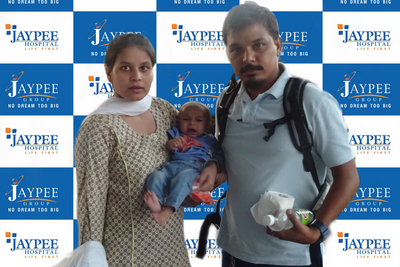
For the treatment of this disease, his parents had been consulting Jaypee Hospital. However given the unrest between India and Pakistan, Rohaan’s parents were unable to get medical visa for their child’s treatment in India. As his parents had consulted doctors at Jaypee Hospital, Noida in the past, they wanted the surgery to take place on urgent basis, as his condition was critical. Failed to get a medical visa, Rohaan’s father Kanwal Sadiq, approached Indian Foreign Minister Smt. Sushma Swaraj and made a plea for a medical visa. Union Minister of External Affairs Smt. Sushma Swaraj ‘s directed the authorities to grant medical visa to Rohaan’s family and Rohaan’s parent reached Jaypee Hospital around 7 PM today from Pakistan via Wagah Border.
Dr. Ashutosh Marwah, the eminent paediatric cardiologist at Jaypee Hospital and the world famous paediatric cardiac surgeon Dr. Rajesh Sharma will investigate and treat Rohan. Dr. Ashutosh Marwah will examine the disease and condition of the baby and Dr. Rajesh Sharma will operate Rohaan.
Explaining the condition of Rohaan, Dr. Ashutosh Marwah, Additional Director, Department of Paediatric Heart Disease Department, Jaypee Hospital said – “One out of every 100 children suffers from heart related critical illness. Rohan has a hole in the heart along with a condition called D-TRANSPOSITION OF GREAT ARTERIES. In this condition, the heart and lung nerves come from the opposite direction and there will be flow of no oxygen-rich blood in the body. Due to the same, there would be complication in breathing from first month onward, hence the child starts breathing heavily. Weight of the child does not increase and due to repeated pneumonia, the chances of survival become less. The most important thing is that the disease should be treated soon enough, because after 8 months the disease becomes untreatable and the chances of death increases.
Dr. Rajesh Sharma, the Director of the Paediatric Heart Disease Department and World-renowned Paediatric Cardiac Surgeon, who will be operating Rohaan said, “Rohaan is suffering from a critical condition. He has hole in his heart and AORTA, which should be on the left side of the heart, is coming from the right and PULMONARY ARTERIES are coming from the left which is exactly opposite to the general structure of the body. Due to this disease, Rohan’s pressure of lungs goes up very quickly and there is shortage of clean blood in different parts of his body. This disease will be treated with the ARTERIAL SWITCH WITH VSD CLOSURE method, in which AORTA and PULMONARY ARTERIES will be removed from its place and adjusted to the right place. If this diseases is treated within 4 month of birth, the chances of survival will be 100%. Since Rohaan has already completed 4 months, therefore the surgery will have 5 to 10% risk.
Dr. Rajesh Sharma further added “Jaypee Hospital has treated more than 50 cases of such diseases with a success rate of 100%. We are hopeful that Rohaan will be treated successfully and his parents will be back to his country soon”
Rohan’s parents, who reached the Jaypee Hospital said, “Rohan’s was not keeping well since birth. After preliminary investigation in Pakistan, it was discovered that there is a hole in the heart along with the problem with the heart’s nerves. The treatment for such a major disease could not be done in Pakistan or other small hospital without inadequate facility or infrastructure. We did not want to compromise in this regard and wanted to treat Rohaan at a hospital with adequate infrastructure and renowned doctors, that’s why we chose Jaypee Hospital, Noida. “
Mr. Manoj Luthra, CEO of Jaypee said, “We are happy to welcome Rohaan to our Hospital. It is a matter of pride that his parents has chosen Jaypee Hospital for his treatment. We have the team of best doctors to handle such cases. Our doctors has treated such cases in the past with success rate of 100% and I am hopeful that Rohaan will be back to his country soon in hale and healthy condition. Our state-of-the-art infrastructure is equipped with advanced technologies, which are used for the treatment of such serious or highly complex diseases.”
It is worth mentioning that people from across the globe are lauding and expressing their gratitude for the remarkable humanitarian approach of Smt. Sushma Swaraj for giving Rohaan an opportunity to come and receive treatment in India.
About Jaypee Hospital
Noida-based Jaypee Hospital is spread across more than 72, 000 sq. m. of sprawling campus in Uttar Pradesh. Designed as a 1,200-bed tertiary care multi-specialty facility, the Hospital has commissioned 525 beds in the first phase.
The Jaypee Group is committed to providing world-class healthcare backed by renowned consultants and the most advanced technology. A super-specialty hospital with advanced healthcare facilities, it has the latest diagnostic systems and state-of-the-art technology focused on medical specialties that meet the needs of the masses. The plan, design and construction of the Hospital position it amongst the few GOLD LEED Certified hospitals in India.
For further information on the Group, please visit: http://www.jaypeehealthcare.com/
The post 4 months old Rohaan brought from Pakistan: Heart disease treatment will be done at Jaypee Hospital, Noida appeared first on Core Sector Communique.
]]>The post Jaypee Hospital achieves another milestone, Performs a record 100 successful kidney transplants appeared first on Core Sector Communique.
]]>
- Every year about 20,000 kidneys fail, but only 5000 are getting transplanted in India
- Patients from Bihar, North East, Delhi, Uttar Pradesh, Haryana, Punjab etc. have received transplants and a new lease of life at Jaypee Hospital
- People from Mongolia, Pakistan, Iraq, Nigeria, Kyrgyzstan have received successful kidney transplants at Jaypee Hospital
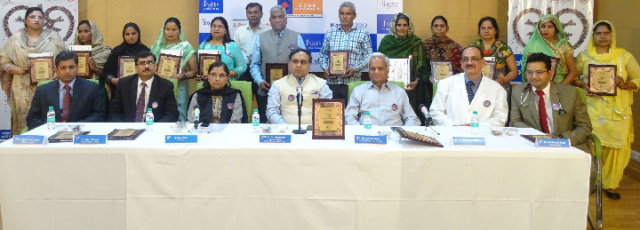
Noida, 4th March, 2017: Jaypee Hospital, a Multi Super Specialty Hospital in Sector 128 Noida, has achieved another milestone in performing a record 100 successful kidney transplants at affordable rates. The hospital, which established in 2014 and started performing the kidney transplants by May 2015, has completed 100 kindly transplants in a span of just 20 Months.
Speaking on this achievement Jaypee Hospital’s senior consultant from the Department of Urology and Kidney Transplant Dr. Amit Devra said, “When a kidney operates at only 10% of its capacity, It is considered a renal failure and in such cases either dialysis or kidney transplants are the only available options for the patients. Every year in India about 20,000 people are renal failure patients of which about only 5,000 can be provided with a new life through transplant due to the lack of awareness about kidney donation. “
“Patients from Delhi NCR have no reason to worry because the kidney transplant procedures at Jaypee Hospital are very advanced and sophisticated. Additionally, donors with multiple vessels, kidney transplants for children, transplant between unmatched blood groups and patients with immunity imbalance have also been operated successfully here.” added Dr. Devra
According to senior consultant of Nephrology and Kidney Transplant Department Dr. Anil Prasad Bhatt, “Performing more than 100 kidney transplants in just 20 months is a record in itself. Our success is owed to the team of renowned doctors and cutting-edge technology at Jaypee Hospital. Notably, the team has also performed critical surgeries which include A.B.O. incompatible transplant and a successful kidney transplant of a patient for the second and the third time. Jaypee Hospitals is offering transplants at less cost compared to other healthcare institutions in the north Indian region.”
Talking about chronic kidney diseases, Senior Nephrologist Dr. Vijay Kumar Sinha said, “Current studies suggest that diabetes, nephritis, blood pressure, stones and hypertension contribute to an increased risk of developing renal dysfunction. If and when the kidney disease reaches an untreatable stage, the patient should go for a kidney transplant to avoid lifelong dialysis, as the amount spent for a year of dialysis is the same in which, a patient can get a kidney transplant”
Commenting on this occasion, Dr. Manoj Luthra, CEO, Jaypee Hospital said, “I congratulate the team of doctors from Renal Transplant departments of the hospital, whose great efforts and skills have resulted in this success. This is a very proud moment for all of us that our hospital has been able to contribute to this cause. In the last two years, we have treated more than 2 lakh patients in various specialities and we feel blessed that the people have showed faith in us and our services. We wish to serve more people in the coming times by extending our services to other part of the country as well.”
About Jaypee Hospital:
The Noida based Jaypee hospital spreads across 18 acres of sprawling campus in the state of Uttar Pradesh. The hospital has been planned and designed as a 1200 bedded tertiary care multi-specialty facility and has commissioned 525 beds in the first phase.
The Jaypee Group is committed to providing world-class healthcare supported by renowned consultants and most advanced technology. Jaypee Hospital is a super-specialty hospital with advance healthcare facilities, the latest diagnostic services, and state- of-the –art technology focused on medical specialties that meet the needs of masses. The plan, design and construction of this hospital position itself amongst very few GOLD LEED Certified hospitals building in India.
The post Jaypee Hospital achieves another milestone, Performs a record 100 successful kidney transplants appeared first on Core Sector Communique.
]]>The post Shaan-e-Pakistan – Kya Dilli, Kya Lahore appeared first on Core Sector Communique.
]]>LUX presents
~~ Shaan-e-Pakistan – Kya Dilli, Kya Lahore ~~



New Delhi: March 11th, 2016 – Shaan-e-Pakistan’s second edition, Kya Dilli, Kya Lahore is an Indo-Pak collaborative platform conceived and led by Huma Nassr of Braahtii, is all set to be scheduled in the historic city of Lahore, Pakistan on the 20th, 21st and 22nd of March 2016.The event details pertaining to this Indo-Pak collaborative platform got unveiled through a press conference at Eros Hotel New Delhi on 11th March 2016.
In continuation of their spirit of promoting brand accessibility and bridging borders, the second edition of Shaan-e-Pakistan is a platform that will give a platform to a range of Pakistani & Indian participants across music, the culinary arts, fashion, textile, high street, accessories, lifestyle products et al at a 2 day exhibition, musical evening and dinner and fashion show.
 Speaking about the platform, the powerhouse behind Shaan-e-Pakistan, Huma Nassr of Braahti said “We are extremely thrilled to host the second edition of Shaan-e-Pakistan here in Pakistan itself and what better place than the epicenter of culture, cuisine, history and more: Lahore. Lahore and Delhi share many similarities, with a platform like Shaan-e-Pakistan we are providing an opportunity to our Indian friends to experience Lahore in its true sense. India is like a home to me and I wish the people of both countries to share their individualities and improve their relationships by showcasing their craft, talent and ideas on one unified platform. This venture is not just limited to the showcase of luxury fashion only but goes beyond into creating an experience of collaborative exquisite culinary delicacies and music as well. With KyaDilli, Kya Lahore, we are bringing a slice of India to Pakistan and ensuring that the Indian participants take the taste of Lahore back with them would be an ultimate goal. Bringing together the talent of Hindustan and Pakistan for the love of fashion, music and food would give us all the more reasons to spread and share peace, acceptance and love. “
Shaan-e-Pakistan’s Kya Dilli Kya Lahore will be a 3 Day event; Day 1 will start with ‘Ek Shaam’ consisting of musical performances by artists Rekha Bhardvaj from India and Asrar & Mai Dhai from Pakistan followed by a culinary feast prepared by the best chefs from Pakistan and India.
Day 2 will consist of an open Exhibition by all participating retailers/craftsman including Amina Sultan, Anand Khanna, Beech Tree, Chapter 13, Elisha Wadhwani, Healiv, Jooti Shooti, Lace Up, Lucknow Sey, Milli Shoes, Mina Siddique, Nine Lines, Prisms and Paintbrushes, Sonia Ahuja, Sonrissa, Stratford Street, Susheel Jewellers, Womaniya Collection to name a selection of retailers.
Day 3 of the event will host a celebratory fashion showcase of 16 designers from across the fashion tiers from Pakistan, India and Bangladesh including Ahmed Bilal, Aisha Imran, Barae Khanom, Bibi Russell (Bangladesh), Braahtii by Huma Nassr, Fahad Hussayn, Joy Mitra, Jyoti Sachdev Iyer, Kirti Rathore, Mehdi Designs, Republic Women’s Wear, Samanth Chauhan, Studio by AV, Style D’Elegance, Zainab Chottani, Zubia Motiwalla to name a few.
The events official media partners are HUM TV/ Hum Sitaray, Radio partner are City FM 89, Style Partners are Nabilas and N Gents, Event Management by Eleventh Experience, Backstage management by Production O 21, choreography and direction by Prasad Bidapa Associates and PR is managed by Goodword Media by Anshu Khanna [India] & Lotus PR [Pakistan].
The post Shaan-e-Pakistan – Kya Dilli, Kya Lahore appeared first on Core Sector Communique.
]]>The post DISCOVERY CHANNEL PRESENTS THE REMARKABLE TALE OF INTERNATIONAL TRAINS CONNECTING INDIA, PAKISTAN, NEPAL AND BANGLADESH appeared first on Core Sector Communique.
]]>INDIA’S FRONTIER RAILWAYS TO PREMIERE ON FEBRUARY 11 AT 9 PM
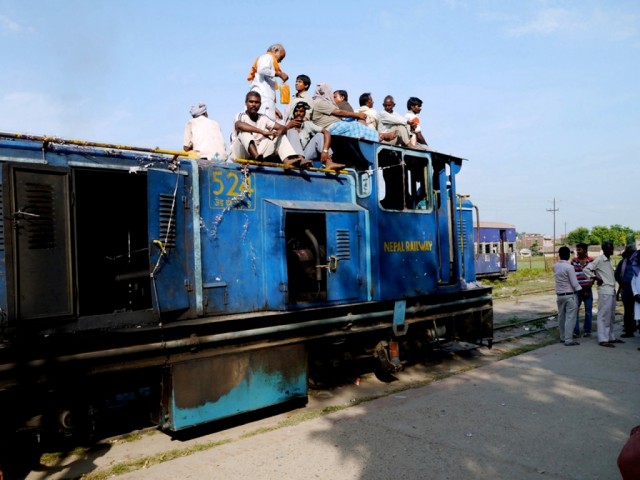
New Delhi, 04 February 2016: Discovery Channel will premiere ‘INDIA’S FRONTIER RAILWAYS’, the spectacular series exploring the journey of passengers on the international trains that connect India to Pakistan, Nepal and Bangladesh. The unique three part series will showcase the heartwarming stories of reunion, cultures, history and journey of people across borders. With an unprecedented access to film the international trains, Discovery Channel will premiere the special line-up INDIA’S FRONTIER RAILWAYS on February 11, 2016 and air every Thursday at 9 PM.
For the first time ever, Discovery Channel will take viewers on an exploratory journey highlighting the passenger’s hopes, needs and desires from three international trains that connects the borders and people.
Commenting on the series, Rahul Johri, EVP and GM-South Asia, Discovery Networks Asia-Pacific said, “Discovery Channel is delighted to present the incredible history of India’s cross border trains and their significant role in connecting the people and the nations. The audience will have a heartwarming viewing experience as they will get the opportunity to watch the three trains traverse through India’s borders in Nepal, Pakistan and Bangladesh.”
INDIA’S FRONTIER RAILWAYS will take the viewers through the fascinating journey of people whose lives are entwined with these international trains, to understand what makes them so exceptional. Steeped in trust and love, each one-hour long episode will offer viewers a first-account narration of people whose work and travel depend on these trains.
While on the face of it, these trains seem to be connecting India to its neighbours, there is much more to it than meets the eye. The first episode is on MAITREE EXPRESS, connecting India and Bangladesh, a train that takes 12 hours to make the 392 km journey from Kolkata to Dhaka and staffing on the train is almost the same on both sides of the border. These people speak the same language, share a history and they all love fish. The episode will take the viewers through a journey that unites BENGAL.
THE LAST TRAIN IN NEPAL will showcase the train that crosses the border between India and Nepal along a line that runs for 20 miles from Janakpur to the Indian junction of Jaynagar. It will also reveal how the line is now under threat of closure following a starvation of funds from the Indian government, which has left the train and the track in a state of disrepair. This episode will showcase the community alongside the border and railway workers who are struggling every day to keep their train and their hopes alive.
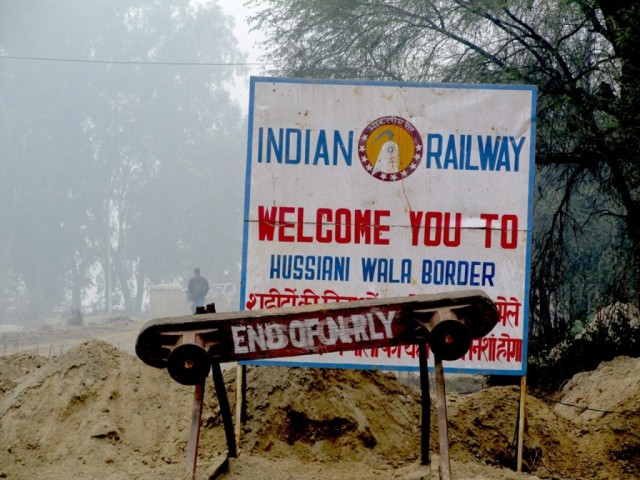
The third episode of the series is on THE SAMJHAUTA EXPRESS, a unique and heart-warming film that reconnects families, cultures and history. Viewers will get to see Bilal and his father who are seeking medical treatment in India, along with hockey champion Rahat Khan who is travelling to play an international match. The episode will also highlight on Guru Nanak’s birthday, the railway runs special train across the border to the Guru’s birthplace in Pakistan.
The extraordinary tale of re-connecting the Indian sub-continent and its people, INDIA’S FRONTIER RAILWAYS will also premiere on DISCOVERY TAMIL and DISCOVERY HD WORLD on February 11 at 9 PM.
About Discovery Channel
Discovery Channel, the flagship network of Discovery Communications, is devoted to creating the highest quality pay-TV programming in the world and remains one of the most dynamic networks on television. First launched in 1985, Discovery Channel reaches 210 million subscribers in Asia Pacific. It offers viewers an engaging line-up of high-quality non-fiction entertainment from blue-chip nature, science and technology, ancient and contemporary history, adventure, cultural and topical documentaries.
The post DISCOVERY CHANNEL PRESENTS THE REMARKABLE TALE OF INTERNATIONAL TRAINS CONNECTING INDIA, PAKISTAN, NEPAL AND BANGLADESH appeared first on Core Sector Communique.
]]>The post Hotel booking platform Jovago expands from Pakistan to Myanmar and Bangladesh appeared first on Core Sector Communique.
]]> Market potential in tourism field sparks the launch in two new countries
08 JUNE 2015, KARACHI
The expansion builds on the company’s success in fast-growing markets, where there is a high unsatisfied demand for new online solutions. Jovago has already become the leading hotel booking platform in Africa. In Asia, Jovago launched in 2014 in Pakistan.
Online hotel booking website Jovago – www.jovago.com – has announced the launch of its services in Myanmar and Bangladesh. This expansion builds on the company’s success in fast-growing markets, where there is a high unsatisfied demand for new online solutions. Jovago has already become the leading hotel booking platform in Africa. In Asia, Jovago launched in 2014 in Pakistan.
Jovago’s expansion is a direct response to the growing demand of tourism and need for online hotel bookings. Paul Midy, CEO of Jovago.com adds, “Our experience in Pakistan taught us that despite numerous challenges, now is a good time to set foot in these markets, since the tourism sector is determined to evolve.”
In both Myanmar and Bangladesh, the tourism industry has stagnated in recent years. However, this does not dampen Jovago’s ambitions for the two countries.
“Myanmar and Bangladesh have shown great potential in the tourism sector. We are very confident that our presence can give the industry an added boost in each of these markets,” explains Midy. “Locals, tourists and expats will also profit from the new service, as it simplifies the hotel searching and booking process. Jovago can be a key player for the travellers who want to visit the country.”
Jovago will establish their local presence in July 2015 with a full customer service team in both Myanmar and Bangladesh. The company will also be joining parent company Asia Pacific Internet Group, who operates several other companies in these two countries. Local presence will be established in July 2015 with dedicated customer service teams to cater to the needs of future customers in these two countries joining the other Asia Pacific Internet Group ventures present there. The expansion is at a time of record growth, well reflected through the corporate partnership with Ooredoo and Rocket Internet, as well as with numerous hotel partners in emerging market in Africa and Pakistan.
About Jovago.com
Jovago.com is an online hotel booking service founded by Asia Pacific Internet Group, a joint venture between Rocket Internet and Ooredoo. Jovago.com, Pakistan’s and Africa’s No.1 booking website, facilitates the booking process for its users to provide them with the best hotel booking experience with fast, transparent and easy-to-use services. Jovago.com has over 20,000 local hotel listings across Africa and Pakistan and over 200,000 hotels around the world.
About APACIG
The Asia Pacific Internet Group (www.apacig.com) is a joint venture of Rocket Internet and Ooredoo. The group’s network consists of 13 e-commerce and online marketplace companies, operating across 15 countries. Since it was founded in 2014, APACIG has become the leading online platform in Asia, building top internet companies in the region.
The post Hotel booking platform Jovago expands from Pakistan to Myanmar and Bangladesh appeared first on Core Sector Communique.
]]>The post Minister Goyal Flags Doubling of Coal Production to Meet Energy Needs, Cautious on Nuclear appeared first on Core Sector Communique.
]]> Union power Minister Piyush Goyal targets a doubling in coal production to a billion tonnes by 2019 to meet India’s rising energy demands
- Government is concerned India may be saddled with nuclear technology discarded by West, needs clarity on life-cycle costs
- Goyal predicts demand for power will double to 2 trillion units by 2019, offering investors a $250 billion investment opportunity
- For more information about the India Economic Summit, visit: http://www.weforum.org/india
New Delhi, India, 6 November 2014 – Union power Minister Piyush Goyal is aiming to double coal production in the next five years to meet India’s burgeoning energy demands, set to hit 2 trillion units by 2019. Goyal called for an increasing private sector role in coal production and expressed interest in new gas discoveries and ways to get gas plants back onstream.
Referring to coal as “an essential input for power,” Piyush Goyal, Minister of State for Power, Coal, New and Renewable Energy of India, said: “I see Coal India production doubling in the next five years. It makes about 500 million tonnes hopefully this year. We [will] do a billion tonnes in 2019.”
Turning to renewable energy, Goyal announced a target of 100 gigawatts of solar power generation by 2022, multiplying the previous government’s target fivefold. However, the minister sounded a cautious note on nuclear power. Noting that the US and many European countries have discontinued installation of nuclear plants, he said: “This government would like to be cautious that we are not being saddled with something only under the garb of clean energy or alternate energy; something which the West has discarded and is sought to be brought to India.” He added that he has yet to determine the life-cycle costs of nuclear power right through to decommissioning.
Minister Goyal, speaking at the India Economic Summit, predicted a “huge investment opportunity” of nearly $250 billion in the energy sector over the next four to five years, including $100 billion in renewables and $50 billion in transmission and distribution. “This government is sincere in giving power to all and this government will protect investments as we go forward,” he said.
Speaking on the same panel, Dong-Kwan Kim, Managing Director, Hanwha Group, Republic of Korea, flagged the advantages of solar power, saying that, if the government can provide a stable regulatory environment, “investors are ready to flock to India.” Kim raised the issue of air quality and questioned coal’s role as a sustainable energy option. Referring to China’s experience, he said that air pollution has become “a driving force to pressure the government,” adding that “people don’t complain about climate change on a daily basis. Air pollution, once it gets past a certain threshold, becomes a daily issue and a health issue for everyone.” Kim predicted that, “As India doubles capacity in power generation I think [air pollution] is going to become a more and more politically salient issue.”
Tejpreet Singh Chopra, President and Chief Executive Officer, Bharat Light and Power, India, noted that the cost of solar power production has fallen in recent years from $6 to $0.55 per watt, but the “Holy Grail” for solar power is to reduce the cost of storage technologies.
Ashvin Dayal, Associate Vice-President and Managing Director, Asia, Rockefeller Foundation, Thailand, announced his foundation’s intention to invest in 1,000 mini-grids across India as one way of starting to reach the 53 million households still without electricity.
Following almost three decades of collaboration, the World Economic Forum and the Confederation of Indian Industry (CII) are hosting the India Economic Summit in New Delhi from 4 to 6 November 2014. Over 700 participants have convened under the theme, Redefining Public-Private Cooperation for a New Beginning.
The Co-Chairs of this year’s summit are: Shobhana Bhartia, Chairperson and Editorial Director, HT Media, India; James Hogan, President and Chief Executive Officer, Etihad Airways, United Arab Emirates; Yorihiko Kojima, Chairman of the Board, Mitsubishi Corporation, Japan; Anand Mahindra, Chairman and Managing Director, Mahindra & Mahindra, India; and Sharmeen Obaid Chinoy, Documentary Filmmaker, SOC Films, Pakistan.
The World Economic Forum is an international institution committed to improving the state of the world through public-private cooperation in the spirit of global citizenship. It engages with business, political, academic and other leaders of society to shape global, regional and industry agendas.
Incorporated as a not-for-profit foundation in 1971 and headquartered in Geneva, Switzerland, the Forum is independent, impartial and not tied to any interests. It cooperates closely with all leading international organizations (www.weforum.org).
The post Minister Goyal Flags Doubling of Coal Production to Meet Energy Needs, Cautious on Nuclear appeared first on Core Sector Communique.
]]>The post Inclusive Growth, Competitiveness Top Agenda as Leaders Gather for India Economic Summit appeared first on Core Sector Communique.
]]>- Finance, Corporate Affairs and Defence Minister Arun Jaitley will open India Economic Summit
- The summit is hosted by the World Economic Forum in partnership with the Confederation of Indian Industry
- More than 700 participants from 45 countries will take part in the summit from 4 to 6 November
- Inclusive growth, competitiveness, health and infrastructure are the focus of the summit
New Delhi, India, 3 November 2014 – The World Economic Forum, in partnership with the Confederation of Indian Industry (CII), is hosting the India Economic Summit in New Delhi this week on 4-6 November.
Under the theme, Redefining Public-Private Cooperation for a New Beginning, the summit convenes against a backdrop of significant economic growth and progress in reducing poverty in most parts of India, but also persistent inequality. The programme is built on three pillars: Boosting Global Competitiveness; Launching a Domestic Systems Reset; and Scaling Local and Social Innovation. More than 700 leaders from business, government, civil society and academia from 45 countries will take part.
“India’s progress depends fundamentally on the ability of its leaders to take the bold decisions necessary to transform the country’s economy and society. By bringing together leaders from politics, business and across society, we hope the summit will offer an environment where such decisions can be catalysed, and where commitment and creativity can be drawn on to build a future fit for all Indians,” said Viraj Mehta, Director, Head of India and South Asia, World Economic Forum.
“The meeting comes as the new government completes six months in office,” said Chandrajit Banerjee, Director-General, Confederation of Indian Industry (CII). “Business leaders are keen to engage with the government and see how it plans to restart the investment cycle, revive demand and convert the first signs of revival into a full-fledged recovery.”
Led by Finance, Corporate Affairs and Defence Minister Arun Jaitley, key public figures from India who will participate are: Nitin Jairam Gadkari, Minister of Road Transport, Highways and Shipping; Piyush Goyal, Minister of State for Power, Coal, New and Renewable Energy; Smriti Zubin Irani, Minister of Human Resource Development; Ravi Shankar Prasad, Minister of Communications and Information Technology; and Nirmala Sitharaman, Minister of State for Commerce and Industry. They will be addressing thematic sessions on the most pressing issues for the country and the administration, such as infrastructure, energy, skills and education, and telecommunications.
Heads of state/government and international public figures who will participate include: Daniel Kablan Duncan, Prime Minister of Côte d’Ivoire; Paul Kagame, President of Rwanda; Shimon Peres, President of Israel (2007-2014); Kwesi Amissah-Arthur, Vice-President of Ghana;William Danvers, Deputy Secretary-General, Organisation for Economic Co-operation and Development (OECD); and Rajiv Shah, Administrator, US Agency for International Development (USAID).
The Co-Chairs of the summit are: Shobhana Bhartia, Chairperson and Editorial Director, HT Media, India; James Hogan, President and Chief Executive Officer, Etihad Airways, United Arab Emirates; Yorihiko Kojima, Chairman of the Board, Mitsubishi Corporation, Japan; Anand Mahindra, Chairman and Managing Director, Mahindra & Mahindra, India; and Sharmeen Obaid Chinoy, Documentary Filmmaker, SOC Films, Pakistan.
The World Economic Forum is an international institution committed to improving the state of the world through public-private cooperation in the spirit of global citizenship. It engages with business, political, academic and other leaders of society to shape global, regional and industry agendas.
Incorporated as a not-for-profit foundation in 1971 and headquartered in Geneva, Switzerland, the Forum is independent, impartial and not tied to any interests. It cooperates closely with all leading international organizations (www.weforum.org).
The post Inclusive Growth, Competitiveness Top Agenda as Leaders Gather for India Economic Summit appeared first on Core Sector Communique.
]]>