The post Biscuit industry makes merry as demand for traditional sweets falls by over 50% this Diwali: Analysis appeared first on Core Sector Communique.
]]> Biscuits scoring over chocolates & fruit juice as gift option
Though the festival of lights – Diwali is synonymous with sweets, but fear of spurious ingredients being used in their preparation to meet the festive demand is keeping consumers at bay, highlighted a just-concluded analysis by apex industry body ASSOCHAM.
“If trends are anything to go by, there is a considerable rise of about 30 per cent in demand for assorted cookies, low-cal premium biscuits and bakery products this Diwali as consumers shift away from sweets amid fears of adulteration,” noted a sector specific analysis aimed at asserting prevailing market trends this Diwali conducted by The Associated Chambers of Commerce and Industry of India (ASSOCHAM).
“Growing suspicion about adulteration together with rise in preference for healthy and low-fat products has hit the demand for traditional sweets which has fallen by over 50 per cent especially those made from milk,” said Mr D.S. Rawat, secretary general of ASSOCHAM while releasing the chamber’s analysis.
“The Rs 25,000 crore worth biscuit industry in India is making merry this festive season and its business is likely to grow by leaps and bounds this Diwali owing to multiple factors like attractive packaging in different shapes, sizes and flavours, quality control, longer shelf life and others,” said Mr Rawat.
“Considering there is an emotional value attached to traditional sweets, branded sweets market is doing a brisk business,” he added.
India’s traditional sweets market which is worth over Rs 50,000 crore remains largely unorganized and constantly faces threats from rising prices of key raw materials like milk, butter, sugar and dry fruits, therefore, many resort to the use of inferior or adulterated ingredients and in some cases, they may even use chemicals to keep the costs down.
Biscuit hampers are selling like hot cakes and have even surpassed demand for chocolates and fruit juice packs owing to their growing acceptance amid varied Indian palates and are affordable, highlighted the analysis done by the ASSOCHAM Social Development Foundation.
ASSOCHAM Social Development Foundation had interacted with about 100 leading sweet shops countrywide to enquire about demand for traditional sweets during the festive season in past two weeks.
Majority of sweet shop owners/representatives reported drastic dip in demand for sweets to the extent of about 25-50 per cent.
Most of the sweet shop owners said they have started using more of dry fruits and less of mawa and other dairy products which has increased their costs by about 15-20 per cent.
Many of the traditional sweet shop owners said that considering the growing demand for biscuits/cookies, they have started selling the same under their own brands and are selling other popular biscuit brands to lure customers.
Some of them said there is more demand for branded biscuits compared to chocolates this year.
The post Biscuit industry makes merry as demand for traditional sweets falls by over 50% this Diwali: Analysis appeared first on Core Sector Communique.
]]>The post Sub-standard higher education forcing Indian students to foreign universities at USD 7 billion dollar annual load: ASSOCHAM-TISS study appeared first on Core Sector Communique.
]]>In the absence of quality higher education and none of the IITs making to world’s top research institutions, Indian students spend USD 6-7 billion (approx. Rs 45,000 crore) annually in seeking greener pastures in foreign universities with a miniscule number of them choosing to return home, said an ASSOCHAM-Tata Institute of Social Sciences (TISS) joint study on ‘Realigning Skilling towards Make in India’.
“Indians spend about USD 6-7 billion everyyear in sending their children abroad for higher education. It is not just the elite who spend generously on a good education and credentials but the middle class families also spend their life time savings to educating their children abroad”, the study noted with concern.
While the much touted IITs have an annual enrolment of 10,000-15,000, focused only the brightest of the bright, not a single great worldwide patent has emerged, nor have they produced a single Nobel Laureate. This is despite the government pouring thousands of millions of rupees into their establishment and upkeep.
It said India is amongst the worst for rankings in patents and for new start-ups in technology and innovation. “We still do not have a single equivalent of a Google, Facebook, Microsoft or Walmart or a Nike”. Even a small country like Italy or Finland does better!
While most of the IITians choose to go abroad for research, they do not return home after obtaining their doctoral programmes.
Another reason for low commitment and resources for the research in the institutions of higher learning is that 90 percent of the state and central funding goes into payment of salaries and overhead costs and building of new physical infrastructure. This leaves almost no money for research and innovation, the ASSOCHAM study said.
There is a problem of political interference. “Political interference and using universities as hubs for political activities only compounds the problems. Outdated curriculums, teachers and student unions ensure that status quo is preserved”.
It said UGC and AICTE and other such councils have virtually had an archival stranglehold over policy and have stifled any possible innovation and new ways of thinking. “Our education system is just living in ancient history even in subjects like sciences and engineering”, adds the ASSOCHAM- TISS study.
The paper suggested setting up of a National Higher Education Commission (NHEC), an independent regulator on the lines of SEBI or CVC (Central Vigilance Commission). The proposed NHEC must ensure mandatory quality rating of all universities and institutions of higher learning, be they government, state, autonomous or private.
The proposed body must also create under it a think tank of enlightened persons from different walks even from those with rural background to assess the need, demand and changing technology for use in education.
The ASSOCHAM paper also suggested stopping direct funding of central and state universities which should be allowed to charge rational fees to cover their costs and provide funds for research and development.
“Though Indian higher education system is the largest in the world in terms of institutions and third largest in terms of enrolment, we lack in innovation and making our youth employable”, ASSOCHAM Secretary General Mr D S Rawat said while releasing the paper.
Experience of world’s top institutions like the MIT should be used for promoting successful entrepreneurs while skilling should be made part of the university education. Also skilling should be delinked from labour and be mainstreamed into education.
Government’s spending must be refocused on higher education directly towards the needy students among the SC/ST, minorities and OBCs and other under-privileged sections. “For all other aspiring students provide a sovereign guarantee to assess a bank loan without collateral…” the paper said.
The post Sub-standard higher education forcing Indian students to foreign universities at USD 7 billion dollar annual load: ASSOCHAM-TISS study appeared first on Core Sector Communique.
]]>The post Link Jan-Dhan with women entrepreneurship development to make it more purposeful: Study appeared first on Core Sector Communique.
]]>Govt. should make it mandatory to have at least 1 woman director in all company boards
With a view to tap the huge potential of women entrepreneurs in India, apex industry body ASSOCHAM has suggested the Government to link the Pradhan Mantri Jan Dhan Yojana (PMJDY) with entrepreneurship development thereby making it more purposeful.
“Where large projects are to be established requiring extensive construction, banks overseeing inclusion accounts should be asked to link up with such projects and let women from poor families or low income groups run ancillary services from teashops to temporary workshops,” recommended the just-concluded study titled ‘Women Entrepreneur Development for Transforming India’ conducted by The Associated Chambers of Commerce and Industry of India (ASSOCHAM) ahead of International Women’s Day celebrated globally on March 8 every year.
“A mechanism in the Ministry of Marginal, Small and Medium Enterprises (MSME) should be created to look for opportunities in various development programmes to promote women’s enterprises in small and large sectors,” suggested the study prepared by the ASSOCHAM Economic Research Bureau (AERB).
“The Government should give adequate support to the non-governmental organizations (NGOs) and other institutions involved in providing training in skills and enterprise for women under the skills ministry or Ministry of marginal, small and medium enterprises (MSME),” the study added.
“The Government should make it mandatory under the Companies Act to have at least one woman director in all company boards,” said Mr D.S. Rawat, secretary general of ASSOCHAM while releasing findings of the study.
“Regular publication of data on women enterprises, number of women in managerial positions in all larger enterprises and company balance sheets must also mandatorily provide such information,” said Mr Rawat.
“It is not about merely increasing the participation of women in the labour force but we need to transform such participation from low paying jobs to enterprises owned by women themselves be at micro or macro level,” he added.
“Capital market regulator, Securities Exchange Board of India (SEBI) could be asked to publish level of women’s participation in fresh stock issues and investigate any alarming fall in the same,” further said Mr Rawat. “Besides, Government tenders should promote women-owned enterprises by giving them preferences over others in deciding to entrust projects/supplies.”
With these measures, entrepreneurial development amid women and their participation in the economy would steadily rise, shrink the gender gap in higher managerial positions and create synergies in other national programmes like school enrollment, women empowerment, toilets in all houses, security of women and elimination of gender discrimination and social disabilities, noted the ASSOCHAM study.
It has also been suggested that payment entities like National Payment Corporation (NPCL) should be supported to impart entrepreneurial skills to women as majority of remittances are sent to women of the family.
Considering growing needs of testing laboratories for soil, seed, food, healthcare and other sectors, women science graduates could be supported to set up such labs as part of commercial operation, it added.
With the Government planning to make medicines available at low prices for all, such chemists’ establishments could also be reserved for women entrepreneurs, further suggested the ASSOCHAM study.
Listing a range of enterprises where women could play a key role as owner, worker and a consumer, the study has further recommended that personal care product makers should link up with women self-help groups (SHGs) and the serving banks to create a synergy and enable women to take up micro investment in product distribution
The post Link Jan-Dhan with women entrepreneurship development to make it more purposeful: Study appeared first on Core Sector Communique.
]]>The post Huge potential to boost shrimp farming in area under brackish water culture in West Bengal: ASSOCHAM Study appeared first on Core Sector Communique.
]]>WB has highest share in area under brackish water culture across India
Though West Bengal (WB) had largest available brackish water area of over four lakh hectares (ha), the state had brought a meagre 12 per cent area of about 47,488 ha under brackish water culture as of 2009-10, noted a study by apex industry body ASSOCHAM.
“Likewise, out of the total potential area of over 11 lakh hectares (ha) available for brackish water culture across India, a meagre 8.5 per cent of the same i.e. about 1 lakh ha had been used for shrimp farming in the country,” highlighted the study titled ‘Promoting brackish water culture to increase shrimp production in India,’ conducted by The Associated Chambers of Commerce and Industry of India (ASSOCHAM).
“West Bengal had the highest share of over 46 per cent in total area under brackish water culture in India thereby reflecting upon the huge potential to boost shrimp production within the state, however, area under brackish water culture in West Bengal had decreased by about six per cent in four years i.e. from over 50,400 ha in 2005-06 to about 47,400 as of 2009-10,” noted the ASSOCHAM study.
Over 33,600 million tonnes (MT) shrimps were being produced in area under brackish water culture across WB as of 2009-10.
Gujarat had ranked second in terms of area available for brackish water culture but in terms of area under cultivation it lags far behind other states as of the total estimated potential brackish water area of over 3.7 lakh ha available in Gujarat, the state had brought only 0.5 per cent i.e. about 1,916 ha of area under brackish water culture, noted the study prepared by The ASSOCHAM Economic Research Bureau (AERB).
However, Gujarat is the only coastal state where area under brackish water culture has increased by about 48 per cent i.e. from 1,297 hectares (ha) in 2005-06 to 1,916 ha as of 2009-10, added the study.
Area under shrimp cultivation has declined significantly by over 27 per cent in four years across coastal India i.e. from about 1.40 lakh ha in 2005-06 to just about one lakh ha in 2009-10, highlighted the ASSOCHAM study.
Drop in farm gate price realized by farmers not being much attractive to take up this activity is one key reason for decline in area under cultivation, it added.
“Over-exploitation of shrimp from natural sources and ever increasing demand for shrimp and shrimp products globally has resulted in wide demand-supply gap thereby necessitating the need for exploring new avenues for increasing production of prawns and increasing brackish water area under culture,” said Mr D.S. Rawat, national secretary general of ASSOCHAM while releasing the findings of the chamber’s study.
“There is an urgent need to promote brackish water aquaculture for shrimp production through focused research on increasing productivity, profitability, area under culture, intensification and diversification of species and systems while addressing environment, food safety and social equity issues,” said Mr Rawat.
“Widespread disease incidences, poor economic situation, lack of technical knowhow, absence of transparent pricing mechanism, ecological imbalances and rising feed costs are several concerns raising a question on sustainability of shrimp industry in India,” he added.
ASSOCHAM has thus suggested for strengthening brackish water fish farmer development agencies in all respects, including environmental management and disease diagnosis, prevention and control, through appropriate training and setting up district level laboratories for essential analytical and diagnostic work.
Since feed is one of the major costs contributors to the shrimp farming activity therefore research and development should focus on the protein ingredients in shrimp food in order to find the way to replace the fishmeal protein ingredient with vegetable protein ingredient to reduce the price of shrimp feed.
Shrimp transportation should be facilitated with modern facilities like insulated & refrigerated carrier van and handling of shrimp with food graded plastic basket, suggested the ASSOCHAM study.
The shrimp farmers must be provided with strong backward and forward market linkages, access to market and market information and assured price, it added.
Affordable rate of interest, easy repayment schedule should be introduced for the industry related entrepreneurs. Besides, schemes offered by the government must be lucrative enough to attract and retain people in aquaculture.
“The farmers need to be given proper credit programs coupled with the requisite technology training as giving farmers easy access to credit without adequate training or practices will only leave the farmers in debt,” recommended the ASSOCHAM study.
The post Huge potential to boost shrimp farming in area under brackish water culture in West Bengal: ASSOCHAM Study appeared first on Core Sector Communique.
]]>The post Supreme Court order on mining in Odisha will further push steel imports in India: ASSOCHAM appeared first on Core Sector Communique.
]]>Ban iron ore export from NMDC to boost domestic iron & steel production: ASSOCHAM plea to FinMin
Apex industry body ASSOCHAM has apprehended that sudden Supreme Court order for temporary closure of about 26 mainstream mines in Odisha, which has created severe crisis for domestic iron and steel industry may result in significant fall in capacity utilization due to severe paucity of key raw material like iron ore and would lead to rise in finished steel imports in the country.
“There is a need to temporarily ban iron ore exports from the National Mineral Development Corporation (NMDC) despite commitments made to customers in the international market which can be fulfilled by procuring iron ore from Australia or Brazil, thereby fulfilling its export obligations, besides it will also improve NMDC’s export sales realization which is far lower than domestic sales realization,” said The Associated Chambers of Commerce and Industry of India (ASSOCHAM) in a communication addressed to Finance Secretary, Dr Arvind Mayaram.
NMDC being largest iron ore producer in India has production capacity of 32 million tons per annum and sells over 90 per cent of its produce in the domestic market apart from exporting to Japan and Korea under long-term supply agreements.
During the course of past two years, NMDC’s iron ore production was over 27 MT in 2012-13 and 30 MT in 2013-14, while it had exported about 1.6 MT and 2.5 MT in 2012-13 and 2013-14 respectively.
As per an ASSOCHAM estimate, steel production in India is likely to remain about 86 MT in the current financial year (FY) 2014-15 with India facing about 40 MT iron ore shortage to produce this much of steel and if NMDC does not stop exporting iron ore it may lead to an additional iron ore shortage of about 2.5-3 MT thereby reducing the steel production by about two MT.
In its letter to the Finance Secretary, ASSOCHAM has also suggested that the new government should reduce import duty on iron ore (lumps, fines and pellets) to zero from the current levy of 2.5 per cent in order to safeguard the cost-competitiveness of the domestic industry.
“The recent Supreme Court order to ban illegal mining in Odisha (which accounts for over half of India’s total iron ore production), may result in domestic iron ore production falling to 100 MT in the current FY 2014-15 thereby jeopardizing job safety of about 1.25 lakh people directly and indirectly engaged in iron ore production in the country which had notably declined to 136 MT in 2013-14 from peak production level of about 218 MT in 2009-10,” said Mr D.S. Rawat, secretary general of ASSOCHAM sharing his concerns.
“This will not only impact the domestic iron and steel industry alone but will have a cascading effect on other sectors of the economy depending on steel,” said Mr Rawat. “It is high-time that effect steps are taken to ensure smooth iron ore supply to India’s iron and steel industry.”
Severe shortage of iron ore in India has also forced the sponge iron units and integrated steel producers to reduce their capacity utilization which came down to about 81 per cent in 2012-13 from about 88 per cent in 2010-11, further highlighted the ASSOCHAM letter to the top FinMin official.
The post Supreme Court order on mining in Odisha will further push steel imports in India: ASSOCHAM appeared first on Core Sector Communique.
]]>The post FTAs with raw material producing countries imperative to promote domestic G&J industry: ASSOCHAM Study appeared first on Core Sector Communique.
]]>In order to ensure secure, reliable and adequate long-term supply of raw materials for the domestic gems and jewellery industry, there is an urgent need for India to engage directly with producer countries through diplomatic channels such as free trade agreements (FTAs) with countries possessing key raw materials, an ASSOCHAM study said today.
“Securing raw materials at competitive prices is an issue of survival for India’s gems and jewellery industry as they are mainly sourced through imports considering that domestic source of raw materials is very weak,” noted a study titled ‘Import Dependency of Indian Manufacturing,’ conducted by The Associated Chambers of Commerce and Industry of India (ASSOCHAM).
“Entering into FTAs with countries possessing raw materials, encouraging mining exploration or investment in major African countries by way of guarantees to investors etc. and investment in overseas diamond mines by the consortia promoted by trade are certain possible options available in this regard,” suggested the study prepared by The ASSOCHAM Economic Research Bureau.
It is necessary to make the deal for raw materials at a very fair price, as it directly affects the cost of production which subsequently adds to the cost of finished products’ and adversely affects the gems and jewellery exports and does not let India stand in the competitive international market.
About 90 per cent of raw materials for the industry are imported and rough diamonds alone account for over 50 per cent of India’s total gems and jewellery raw material imports.
India’s known diamond and gold mines have been depleted due to continuous exploitation, while others like those of emerald, sapphire, ruby, and others have not been exploited systematically.
“As raw materials are not being sourced directly from the mining country, the prices paid by Indian industry are high,” said Mr D.S. Rawat, secretary general of ASSOCHAM while releasing the chamber’s study.
“Indian gems and jewellery industry largely depends on imports of raw materials because the indigenous gems mineral production is far short of the actual requirements,” said Mr Rawat. “As such domestic gems and jewellery industry remains extremely susceptible to external developments such as oscillating demand, commodity prices and exchange rates owing to India’s global dependence in terms of import of raw materials.”
India’s neighbour China has of late been pushing for direct deals with African governments for supply of rough diamonds which may soon result in China emerging as a major diamond manufacturer.
Besides, labour rates in China are comparable if not lower to that in India, as such it is a worrisome for the domestic industry especially for Surat as shifting of business to China would further impact the employment scenario in the industry.
The post FTAs with raw material producing countries imperative to promote domestic G&J industry: ASSOCHAM Study appeared first on Core Sector Communique.
]]>The post ASSOCHAM CSR Foundation to launch Malaria Awareness Campaign on World Malaria Day appeared first on Core Sector Communique.
]]>Malaria claims about 50K lives in India each year
As about 50,000 people in India and about one crore across the world die of mosquito-borne diseases every year, apex industry body ASSOCHAM under the aegis of its CSR (Corporate Social Responsibility) Foundation has planned to launch an awareness campaign with an aim to spread information about malaria, its causes, prevention and treatment on the eve of World Malaria Day commemorated globally every year on April 25.
Representatives of the CSR Foundation of The Associated Chambers of Commerce and Industry of India (ASSOCHAM) would be organising awareness programmes across urban slums and other vulnerable areas in five metro cities of – Delhi, Mumbai, Bangalore, Chennai and Kolkata to educate people about water-borne diseases like malaria, cholera, gastroenteritis, diarrhoea and others that erupt every year during summer and rainy seasons due to poor quality of drinking water supply and sanitation.
“Malaria morbidity and mortality is a matter of major public health concern as it hugely affects social and economic conditions of the people and leads to poverty,” said Mr D.S. Rawat, secretary general of ASSOCHAM.
“About 75 per cent of India’s water supply is seriously polluted with sewage and industrial effluents promoting water-borne diseases which affect over 70 million working days,” said Mr Rawat.
“Besides, groundwater available in over 200 districts in India is not fit for drinking owing to excessive concentration of fluoride, iron, salinity and arsenic which affects about two lakh habitations as 85 per cent of population is dependent upon groundwater,” said Mr Rawat. “Growing industrialization, rapid urbanization, growth of unauthorized colonies, lack of amenities, dearth of medical facilities, garbage disposal in the open and other related factors are adversely affecting the safe drinking water supply across most parts of the country.”
ASSOCHAM CSR Foundation would increase public awareness about malaria by encouraging community participation through mass media and interpersonal communication and consolidate inter-sectoral collaborative efforts along with corporate and voluntary organizations at all levels for prevention and control of malaria.
“We would be holding community meetings to sensitize people about various measures to be taken for malaria prevention like keeping one’s surroundings clean, using a mosquito net while sleeping, getting blood sample tested in case of fever and others,” said Mr Rawat. “Apart from community level meetings, we would also organise exhibition-cum-awareness meetings at various schools to sensitize the students about malaria and other vector borne diseases to encourage the students to spread the messages to their family members and thereby help the society as a whole.”
“It is imperative to inform people about destroying mosquito-breeding sources and insist people to use mosquito nets,” said Mr Rawat. “A pro-active awareness campaign to propagate the message is surely a step towards curbing the menace of malaria.”
ASSOCHAM in the past has suggested most of the state governments to provide blood slide collection facilities together with examination and treatment of malaria with the use of rapid diagnostic tools and better drugs and medicines free of cost at all health centres, more so in the high endemic areas as the rural population with limited access to quality healthcare and basic facilities are often the worst sufferers.
Prevention and control of malaria would be successful only with close co-operation of government and non-governmental organisations, health workers and through community participation.
The post ASSOCHAM CSR Foundation to launch Malaria Awareness Campaign on World Malaria Day appeared first on Core Sector Communique.
]]>The post Over 4.5 lakhs child labours engaged in various e-waste activities in India: ASSOCHAM study appeared first on Core Sector Communique.
]]>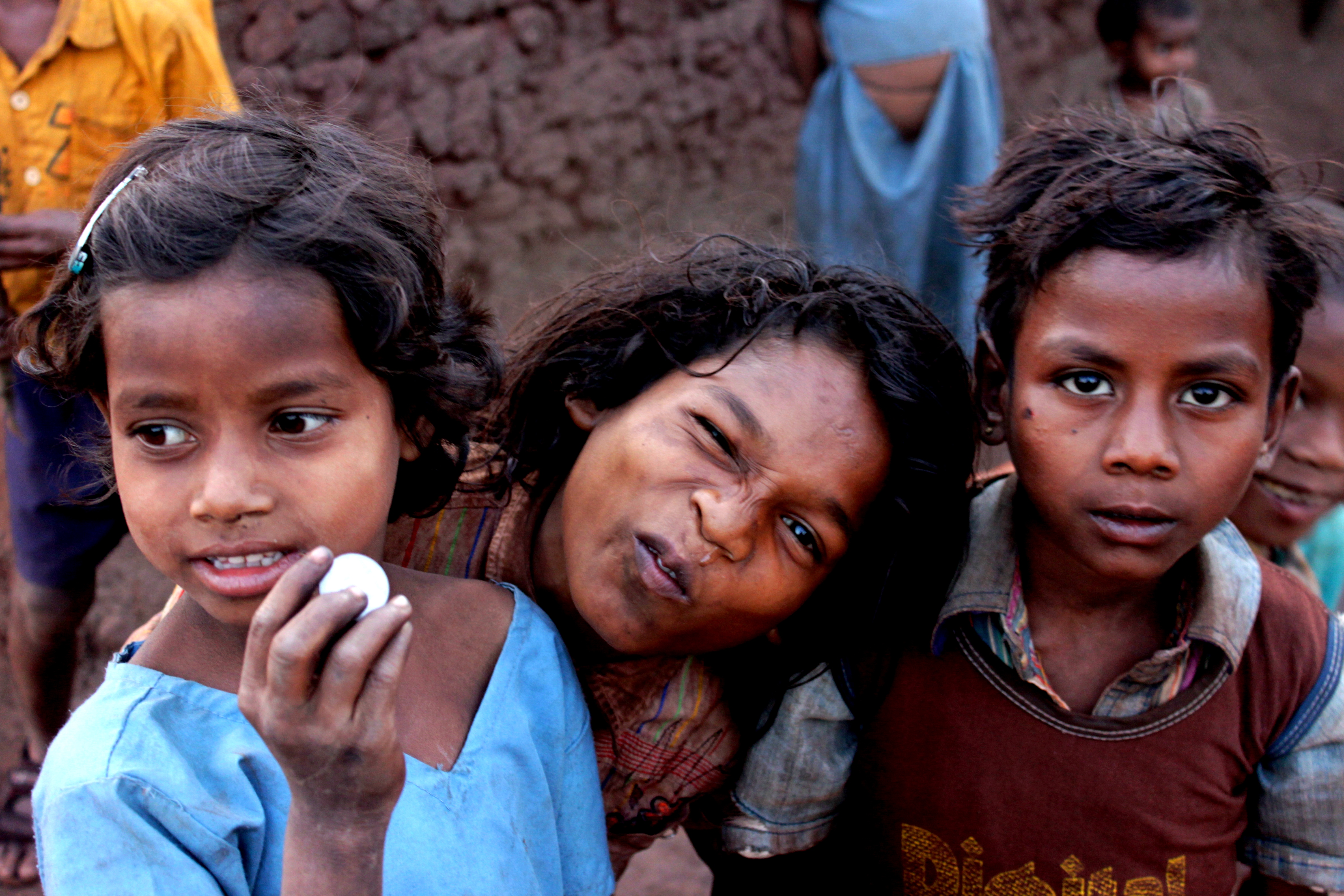 Kolkata produces 35,000 MT of electronic waste a year
In India, about 4.5 lakhs child labours between the age group of 10-14 are observed to be engaged in various e-waste (electronic waste) activities, without adequate protection and safeguards in various yards and recycling workshops, according to the ASSOCHAM recent study on ‘Earth Day’ (April 22).
While releasing the paper, Mr. D S Rawat, Secretary General ASSOCHAM said, the informal recycling industry often employs children to dismantle electronic waste. ASSOCHAM’s report strongly advocates legislation to prevent a child’s entry into this labour market. The chamber has also strongly advocated the need to bring out effective legislation to prevent entry of child labour into its collection, segregation and distribution”.
A meager 4% of India’s total e-waste gets recycled due to poor infrastructure, legislation and framework which lead to a waste of diminishing natural resources, irreparable damage of environment and health of the people working in industry. Over 95% of e-waste generated is managed by the unorganised sector and scrap dealers in this market, dismantle the disposed products instead of recycling it”, according to a study on ‘Electronic Waste Management in India,’ jointly conducted by The Associated Chambers of Commerce and Industry of India (ASSOCHAM) and Frost & Sullivan and released on “Earth Day”.
As per the study, India is likely to generate e-waste to an extent of 15 Lakh metric tonnes (MT) per annum by 2015 from the current level 12.5 Lakh MT per annum growing at a compound annual growth rate (CAGR) of about 25%.
India’s produces nearly 12.5 Lakhs MT of electronic waste every year. Mumbai (96,000) tops the list in generating e-waste followed Delhi-NCR (67,000) and Bangalore (57,000) says the ASSOCHAM paper. Chennai, Kolkata, Ahemdabad, Hyderabad and Pune find a place in the ladder, at 47,000, 35,000, 26,000, 25,000 and 19,000 metric tonnes per year respectively, reveals the study.
Computer equipment accounts for almost 68% of e-waste material followed by telecommunication equipment (12%), electrical equipment (8%) and medical equipment (7%). Other equipment, including household e-crap account for the remaining 5%, it said.
“E-waste typically includes discarded computer monitors, motherboards, Cathode Ray Tubes (CRT), Printed Circuit Board (PCB), mobile phones and chargers, compact discs, headphones, white goods such as Liquid Crystal Displays (LCD)/ Plasma televisions, air conditioners, refrigerators and so on. With increasing use of these in our everyday life, e-waste is also piling up. Almost half of all unused and end-of-life electronic products lie idle in landfills, junkyards and warehouses”, it said.
Mr. Rawat said, “e-waste is directly linked to the economic growth of the country and also overall consumer spending pattern. India’s economic growth has lifted millions of people from lower-income group to middle and high-income groups and increased purchasing power”.
More than 70 per cent of e-waste contributors are government, public and private industries, while household waste contributes about 15 per cent. Televisions, refrigerators and washing machines make up the majority of e-waste, while computers account for another 20 per cent and mobile phones 2 per cent, adds the report.
“Domestic e-waste including computer, TV, mobiles and refrigerators contain over 1,000 toxic material, which contaminate soil and ground water. Exposure can cause headache, irritability, nausea, vomiting and eyes pain. Recyclers may suffer liver, kidney and neurological disorders”, said Dr. B K Rao, Chairman of ASSOCHAM Health committee releasing the ASSOCHAM paper.
The recyclers are not fully aware of the health risks. ”These products have components that contain toxic substances like lead, cadmium, mercury, hexavalent chromium, plastic, PVC, BFRs, barium, beryllium, and carcinogens like carbon black and heavy metals. This deadly mix can cause severe health problems in those handling the waste,” adds Dr. Rao. Printed circuit boards, for instance, contain heavy metals like antimony, gold, silver, chromium, zinc, lead, tin and copper. The method of extracting these materials from circuit boards is highly hazardous and involves heating the metals in the open.
“Issues relating to poor sensitisation about this sector, low organized recycling, cross-border flow of waste equipment into India, limited reach out and awareness regarding disposal, after determining end of useful life, and lack of coordination between various authorities responsible for e-waste management and disposal including the non-involvement of municipalities in e-waste management”, said Mr. Rawat.
However most of these products can be recycled, refurbished and redeployed going down the value chain and reused by a bit of reconstruction process, reducing overall impact on the environment, he said.
The post Over 4.5 lakhs child labours engaged in various e-waste activities in India: ASSOCHAM study appeared first on Core Sector Communique.
]]>The post INDIA INC.’S NET PROFIT SURGED BY 15% IN Q2 OF FY14: ASSOCHAM appeared first on Core Sector Communique.
]]>CHEAPER LOANS TO REVIVE CONSUMER DURABLES DEMAND THIS DIWALIThe post INDIA INC.’S NET PROFIT SURGED BY 15% IN Q2 OF FY14: ASSOCHAM appeared first on Core Sector Communique.
]]>The post DAMPENED FESTIVE SPIRIT LEADS TO BIG DROP IN SHOPPING MALL FOOTFALLS: ASSOCHAM appeared first on Core Sector Communique.
]]>MALLS SEE 35% DECLINE IN FOOTFALLS: MALLS MAGIC SEEMS TO HAVE DISAPPEARED THIS FESTIVE SEASON!The post DAMPENED FESTIVE SPIRIT LEADS TO BIG DROP IN SHOPPING MALL FOOTFALLS: ASSOCHAM appeared first on Core Sector Communique.
]]>