The post Oxford Bookstore Connaught Place: The Art of Portraiture By Kishore Singh appeared first on Core Sector Communique.
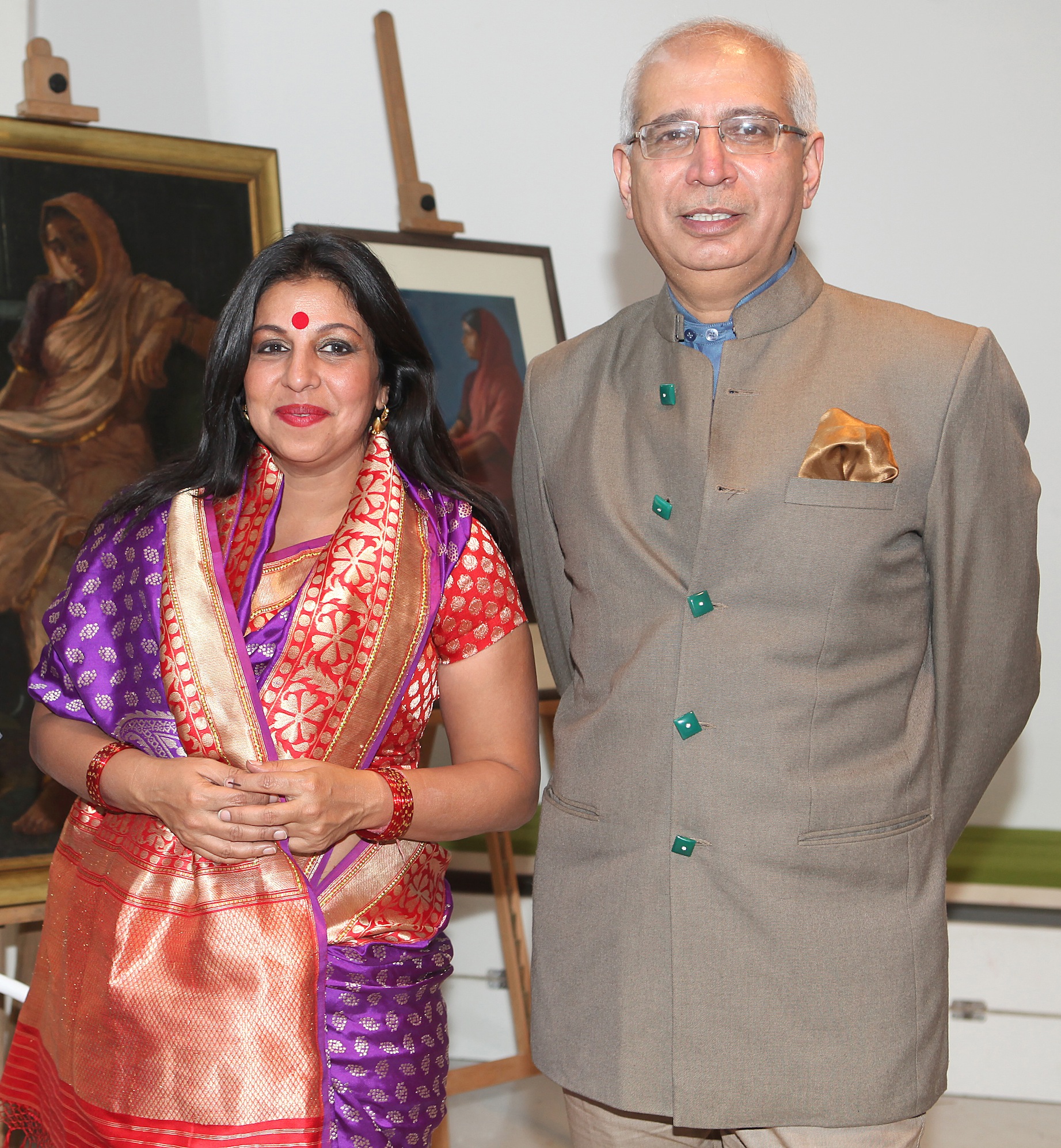
]]>New Delhi, December 5, 2013: Oxford Bookstore Connaught Place, in association with Delhi Art Gallery, organised a discussion on The Art of Portraiture, based on the book ‘Indian Portraits: The Face of a People’, by Kishore Singh, on 5th December 2013. Mr. Singh enunciated his views amidst an illustrious gathering of artists and art aficionados. The event also displayed some select and engaging portraits from Delhi Art Gallery’s rich and extensive collection.

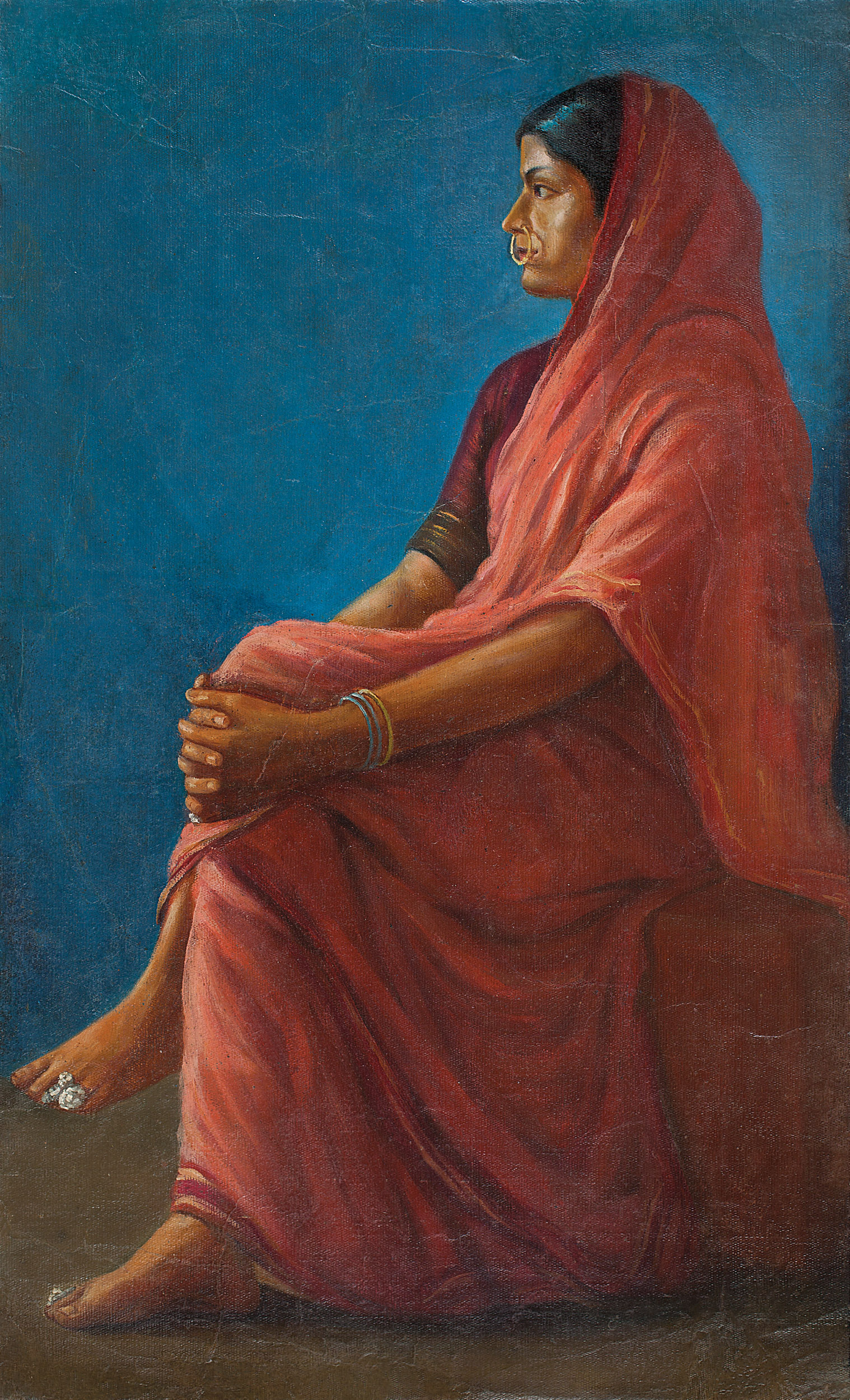
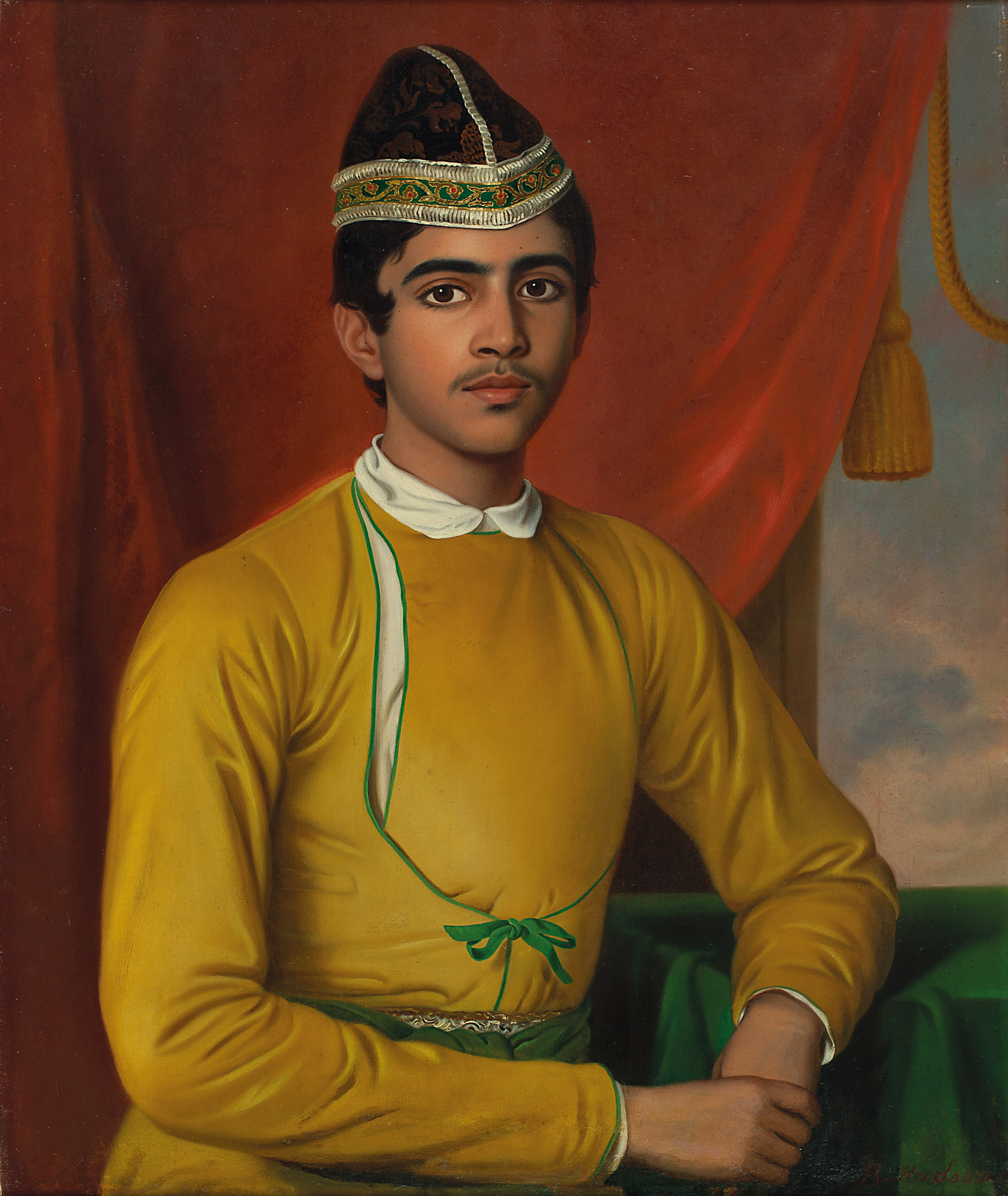
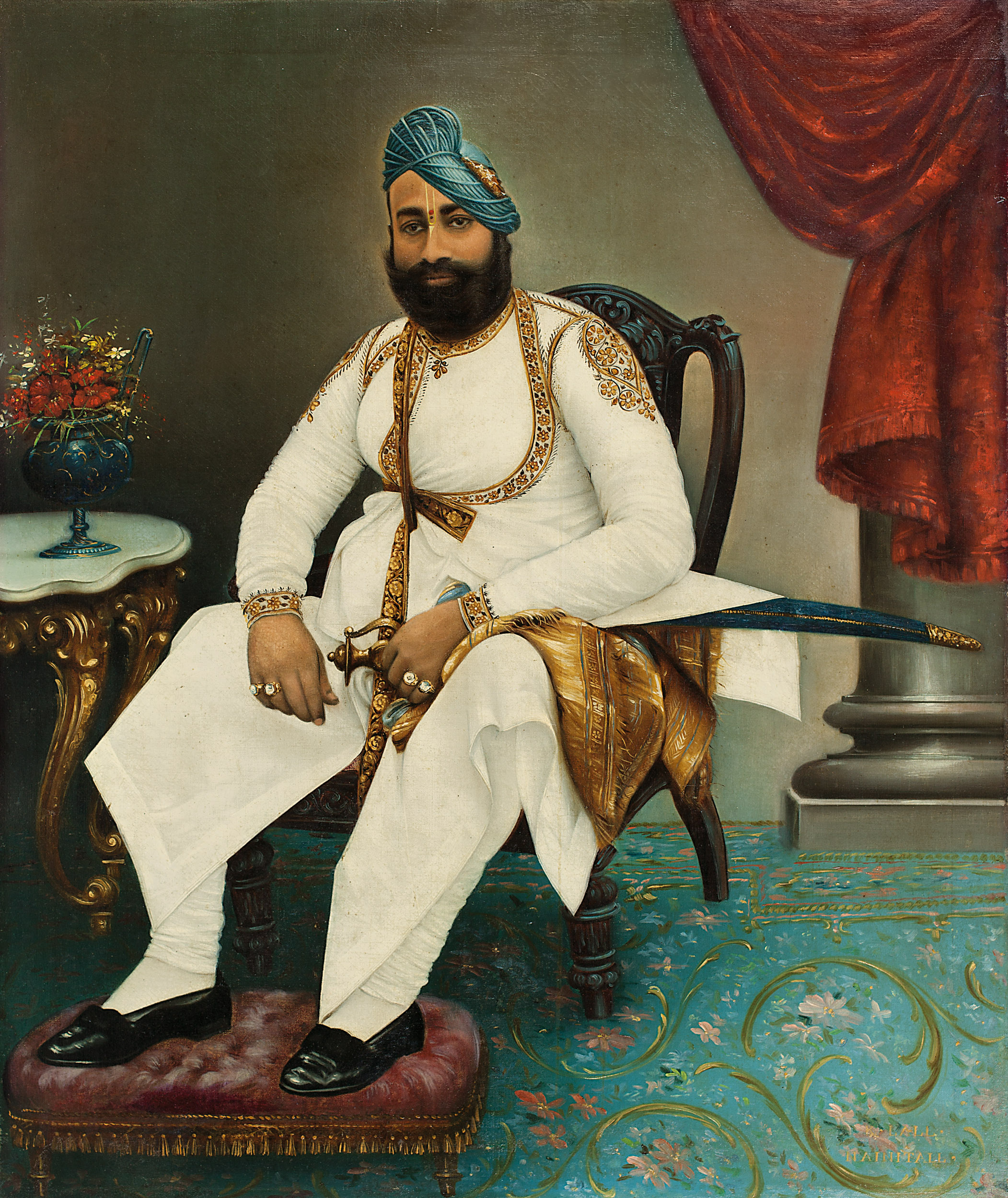
 The art of modern portraiture came to India three centuries ago as part of a new, unexplored tradition brought in by colonial artists from Europe. Indian art till then had tended to depict attributes of godliness and kingship rather than particularities by way of portraits. The change was led by eighteenth century European artists who came in search of sitters and commissions for portraits in Madras and Calcutta, and later in Bombay, who were increasingly drawn to paint the princes. Soon, artists among royal ateliers began to experiment with the new medium of oil and canvas, and to emulate the work of the foreign artists while experimenting with chiaroscuro and perspective. While artists like Raja Ravi Varma were entirely self-taught, soon after, Indian artists like M. V. Dhurandhar, N. R. Sardesai, Pestonji Bomanji, M. F. Pithawalla and J. P. Gangooly trained in the art schools became celebrated portraitists. Photography also came to influence painted portraits, and painted photographs too were a rage. Portraits were painted by Amrita Sher-Gil as well as Jamini Roy, among other early modernists, and among the Bombay Progressives M. F. Husain and F. N. Souza proved most adept at it.
Delhi Art Gallery recently hosted an iconic exhibition of these magnificent portraits that trace the journey of the style of portraiture making across the centuries. Indian Portraits documents two-hundred-and-fifty-years of Indian portraiture with over 400 works by about 150 artists. The book records the Indian elite, the royal families, the women of India, mostly just courtesans, saints and sinners, national leaders and historical figures, as well as members of the artists’ intimate circle of friends and family. While the book documents all major artists who are known for painting or making sculptures in the form of portraits, it also includes several artists whose capability is only too obvious but who have remained unknown in the pantheon of Indian art. The book recognizes the contribution of these artists to portrait making and the rise of modernism in the country.
 About Oxford Bookstores
Established in 1919 Oxford Bookstore is the best equipped ‘base-camp’ for journeys of the mind offering its customers the widest range of outstanding titles and consistently courteous and informed service for close to a century. Today, with more than 30 stores in India, India’s first dedicated Children’s bookstore, Oxford Junior, India’s first of its kind tea boutique, Cha Bar, India’s only literary festival created by a bookstore, Apeejay Kolkata Literary Festival, Oxford Bookstore offers booklovers access to the very best in publishing enhanced by a variety of events which salute books, visual & performing arts and celebrate the word. Oxford Bookstore measures its success by the smiles on millions of happy customers that the brand has served over the last 9 decades. There are a few treats as sumptuous as a visit to Oxford Bookstore in India. Each time you walk into our iconic store in Calcutta where the brand started in 1919, its charm leaves you wanting for more. Our fleet of 200 happy to help expert booksellers and informed hosts work day and night to bring to customers world class reading experience be it through our books or our fine teas and live by the brand’s motto – Much more than a bookstore – at every Bookstore, be it Kolkata, Mumbai, Bangalore, Bhubaneswar, Hyderabad, Shillong, Silliguri, Guwahati or Goa. In December 2012 Oxford Bookstore took a chapter from its growth story in India by launching, Katakali, its first overseas bookstore in the luxurious Taj Palace Hotel at the foothills of the Atlas Mountains in the exclusive palm-filled oasis of the Palmeraie, Marakkech. In April 2013, with the opening of its most architecturally crafted retail store in a stunning new destination in Delhi’s historic centre, Connaught Place, Oxford Bookstore carved out yet another incredible space for quiet browsing, reading and contemplation. Its growth story continues…For more information, please also log on to: www.oxfordbookstore.com
About Delhi Art Gallery
Delhi Art Gallery was established in 1993, and has since grown to become a premier institution of art. It boasts of a distinctive and extensive collection of early-modern as well as modern and contemporary art, ranging from names such as Rabindranath Tagore and Nandalal Bose to F. N. Souza, M. F. Husain and S. H. Raza, from Avinash Chandra and G. R. Santosh to Sohan Qadri and Gogi Saroj Pal, from Chittaprosad to Haren Das, among the over 400 artists in its inventory. Delhi Art Gallery has become distinguished for its focus on 20th century Indian art.
The post Oxford Bookstore Connaught Place: The Art of Portraiture By Kishore Singh appeared first on Core Sector Communique.
]]>The post The Argumentative Bengali – Chawm Ganguly appeared first on Core Sector Communique.
]]> We Bengalis love our Adda’s. Over endless cups of syrupy tea sipped in a road side tea stall: aptly named “Bekar Parliament” (Parliament of the jobless / useless) with a killer, obnoxiously Bengali, punch line “amader Dilli te kono sakha nai”(we don’t have any branches in Delhi ) or over any other drink covering the entire spectrum to Single Malt from the Isle Side in the swankiest Bar or the Drawing Room (with muted lights and period furniture). Whatever be the locale, or the poison that is imbibed, it is a pleasure to be in such august gatherings with the dramatis personae, each one of them, religiously trying to outwit and out talk everyone else to win some imaginary trophy that is never there.
Opinionated to the point of being loathsome, alternatively nihilist, narcissist and elitist, they need just a nudge to do a “zero to sixty MPH in less than three seconds” and once they reach full throttle, there is no stopping them from launching their vainglorious or verbose discourse on any matter esoteric: real or imaginary. There is only one way to stop this ultimate blitzkrieg known to mankind – to unleash a Bengali counter attack. And seasoned hosts around the world are known to spend months at an end preparing topics that have arguments that are equally weighed so that the impassioned free radicals can be led into an arena of no-returns for the evening to scale the heights of a Roman gladiatorial joust for the assembled crowd to quench their thirst for intellectual, almost ceremonial, cerebral bloodletting.
Having “participated” (read contributed my insights of manic proportions under the influence of alcohol), I consider myself a “Teacher” of some “Antiquity” with my highly acclaimed “Signature” outpourings of vitriolic diatribe, to which the discerning have been known to raise their glasses. A word of caution before we progress any further: do not try to unearth the underlying logic of the arguments you are subjected to – they are not meant for “lesser mortals” anyway. What else can you expect from a people that have Rabindra Sangeet blaring from the traffic signals, even while Rabindra Nath’s birth anniversary is celebrated with the loudspeakers blaring “Hookah Bar”? In plain speak, that is akin to one leader mumbling Tchaikovsky even while the other sways to the beats of Tollywood with the audience equally appreciative, irrespective of tamasha being enacted, mostly at their expense.
To cut a long story short, here are a dozen speaking points that Bengalis will lap up anywhere in the world to instantly turn Doordarshan fare into Discovery quality. For the absolutely bored ladies in the company who normally sulk and lament the effort they had put in for the evening being wasted on intellectually intoxicated brawling Bongs (designer dress, visit to the Nepali beautician masquerading as Chinese, Trinamool Green eye shadow, Scarlett “Go-Hara” Red Nail varnish, blister inducing stilettos), here is a little game you can play. Just as the principal opponents warm up to the topic you have to identify and zero in on the Duracell from the Chinese made ones. The last Bong blabbering wins!
01. Satyajit Ray Vs. Mrinal Sen Vs. Rittick Ghatak. This one is easy. An open and shut case of “our films vs. their films”. Bergman, Fellini, Kurosawa … the more exotic names you can drop to bolster your argument the more sheepish nods of appreciation you will receive. It doesn’t matter if you don’t know the difference between a can (beer or film) and Cannes – nobody else does, either. We love to watch the latest fare from Bollywood like the rest of India, it is just that we have to hide our hypocrisy behind films about poverty that we have never ventured out to see. Yes, reading the reviews in film glossies help and least I forget, we condemn Nargis’ (or was it Jaya Bachchan’s, or Jayalalitha’s) comments about legendary Bong Filmmakers having bought their fame by selling Indian poverty to the West with the strongest words.
02. Darjeeling Vs Assam. Golden Orange Pekoe from the North Eastern side of the mountain, that too, second flush – this is what the typical Bhadrolok sips. Yet there are philistines that will talk of Assam – of body, of strength, blissfully unaware of the fact that flavour is all that matters. Who will tell them that wrestlers from the cow belt may be good as menial laborers but cannot be made to write poetry? And whether you look like the “before” or the “after” in the weight loss advertisement, in the discerning Bengali eyes, you are no good, unless you can write a poem or two! Or for that matter, recite Sonkho Ghosh verbatim!
03. Lenon Vs. Lalan. The average Bengali approaches teenage, ensconced firmly in the Beatles. He murmurs “love me do” when he sees the first lass that makes his heart flutter. Mumbles, “Lucy in the Sky with Diamonds”, when he does his first “trip” (Dark Side of the Moon being a close second, but that is another story). Plagiarizes the lyrics of “Across the Universe” for his para’s Bangla Band and identifies with the words of “Imagine” when he generally grows up. The trick is to go one up on him by talking about Lalan Fakir and the influence of Bengal’s Boul Bards on the Beatles – especially the Yellow Submarine years. You can flummox the sods by claiming that Sergeant Pepper (of the Lonely Hearts Club Band fame) was actually a Boul based in the Chitpur area who had really founded the Mehboob Band! The “Concert for Bangladesh”? It was in fact a reaffirmation of a little known fact, that the Beatles were diehard East Bengal fans.
04. Football Vs. Cricket. Let Sourav Ganguly restrict his Dada-giri to the idiot box. The real dada’s of Bengal are the footballers. Nobody knows what India’s FIFA rank is (it’s even lower than her rank as a corrupt nation) yet, we swear by soccer, Dalmia’s dazzles notwithstanding. At some point during this argument, someone inevitably will retort: “My mom can’t dance like Madonna, or smile like the Mona Lisa… will I stop calling her mom, why single out football then?” This is when passions start flowing with the Bengali gentlemen reaching their emotional best.
05. Oxford Vs. Cambridge. The Unknown Indians who go so far as writing their Bengali Autobiographies in English almost inevitably are from either of these two institutions. In fact, Samir babu, who is slumbering in blissful oblivion in the corner, had one Sonia Manio as his third sister’s class mate (yes, they actually claim that)! The term that is used with reverence by Bengalis is “Bilet Ferot” (literally, Returned from England) – which goes to refurbish what the uncouth say – actual degrees do not matter as it is enough to have visited the Queen’s land to qualify. A necessary rider of this logic is the brief-less barrister: legal luminaries (who never faught a case) but were much sought after in the political space once upon a time, before the era of Poriborton (Change).
06. Cheema Vs. Majid. If Cheema was a medieval battling ram capable to making defenders bite dust with his sheer power play and created history by establishing the fine nuances of perfecting the art of using body weight, then Majid was a radar jamming guided missile that had both the range and the ability to carry an incredible amount of payload. It’s a pity that the seedy underbelly of Kolkata succeeded in doing to Majid what every defender worth his shin guard dreamt of – bottle him up (again, no pun intended).
07. Kishore Kumar Vs. Md Rafi Vs Hemanta Vs Manna Dey. This one is a no winner. While Manna Dey, Md. Rafi and Hemanta (Hemant Kumar for the uninitiated) were galaxies on their own right, Kishore-da was a quintessential Bengali genius who, despite his cornucopia of talents (and perhaps because of it) was able to laugh his way through the complex tunes of life, reaching a tenor that others cannot even comprehend. His colourful life, ever smiling demeanor, and the ability not to take himself with the seriousness he rightfully deserved makes his contribution to the world of music pale into insignificance. And that is no mean an achievement by any standards whatsoever, making him the eternal favourite, a class by himself.
08. Captain America Vs. Che Guevara. One is the star-spangled face of “Cola colonialism”, the other has achieved immortality on Bong T-shirts. We grow up eulogizing one in comic books and come off age riding pillion to the other’s “Motorcycle Diaries”. Did I hear you say both are ghosts of Christmas past in these days of Diplomacy by Drones? Perish the thought. We Bongs love our Che-da and still invoke him when we want to denounce something with malice towards one and all as in “Chee, Chee,dada”! (Shame on you, brother)
09. North Vs. South Calcutta. Rajarhaat and the fringes near the Sunderbans really don’t count, The Kolkata Address is still a fight between what was once Sutanuti, Gobindopur or the so-called new habitats of Bhowanipur and the rest.
10. Ghoti Vs. Bangal. They claim to have left behind more land than what is available on planet Earth when they were forced to seek refuge on this side of the divide and bring with them a joy de verve that can rarely be matched by the original inhabitants of “our” Bengal. Ladies and gentlemen, be weary when the arguments tread on this sensitive territory – for passions are bound to get ignited.
11. Congress Vs. CPM. The Congress in the state is snidely labeled as a party that has been reduced to a sign board, populated by leaders who apply makeup to infest the television talk shows and can do no more. The CPI(M) now an excuse of its former militant self too, is no better, yet the arguments never cease.
12. Chinese Vs. Moghlai. We Bongs swear by our Chinese, which is actually a “unity in diversity” kind of fare that has the influence of every taste that we have liked gastronomically. Our Mughlai is actually Punjabi red curry, faithful down to the sliced tomato and the boiled egg; and has nothing to do with what the Emperors we read about in school ate. But, debate? Ah, that is another story.
I am forced to signoff for constraints of space but I will be failing in my duty if I do not include a dozen more that are capable of igniting the passions for acrimonious diatribe. So here goes:
· Bidyasagar Vs. Rammohan
· Uttam Kumar Vs. Soumitra
· St. Xavier’s Vs. Presidency
· Netaji Vs. Gandhiji
· Russia Vs. China
· Mountains Vs. the Sea
· Cinema Vs. Theatre
· Public Vs. Private Sector
· Statesman Vs. Telegraph
· Khalashitola Vs Barduwari
· Mao Vs. Mittal Vs. Marwari
· Jamini Roy Vs. Nandalal Bose
You can follow me in Twitter: @CharmChawm
The post The Argumentative Bengali – Chawm Ganguly appeared first on Core Sector Communique.
]]>