- Doctors at Columbia Asia Hospitals, Ghaziabad, say most badly affected are children a large number of who are complaining of wheezing, difficulty in breathing
- Non-smokers are reporting with conditions that are usually prevalent in chain smokers
Ghaziabad, 26th October 2017: Previous years trends did not inspire much hope of a healthy festival of lights this year as well. As fireworks lighted the city on Diwali night, the objective of a green Diwali in the region went up in smoke. With toxic air fuelled by Diwali crackers and the onset of winter conditions engulfing the city over the past week, Ghaziabad residents, especially children and old people, are reporting increasing incidence of respiratory disorders such as breathlessness, wheezing and cough.

Doctors at Columbia Asia Hospitals, say that while air quality is never too good in the city, thanks to intense vehicular pollution, Diwali festivities have worsened the situation with each passing year. Children and old people are majorly impacted as they find it very difficult to cope with poor air quality, say doctors. “We have seen a significant spike in people reporting with respiratory problems over this week. Common complaints include cough and breathlessness. It is well known that lighting fireworks releases a toxic mixture of gasses which include carbon monoxide, carbon dioxide, sulfur dioxide, and even manganese and cadmium particles in the atmosphere. This means city residents are practically inhaling poisonous air, which is severely affecting their lung health. No surprise, our pulmonary department is overflowing with patients,” said Dr. Gyan Bharati, Pulmonologist, Columbia Asia Hospital, Ghaziabad.
Invariably, combustion of fireworks deteriorates environmental conditions every year after Diwali due to the bursting of crackers. Usually it appears that pollution has cleared in a few days after Diwali, but due to onset of winter and other environmental factors, the pollution caused around this time takes around 4 months to dissipate and therefore increases prolonged exposure to these gasses.
“While every individual is affected by bad air quality, the most badly affected are children. Children are more active than adults and therefore their intake of air in to lungs is higher, and their lungs are also not fully developed till late teens. Children’s ability to filter out or detoxify environmental agents and pollution is different. Also, in kids airway epithelium is more permeable than in adults, which makes them more vulnerable to diseases. The airway epithelium is the first defense against respiratory viruses and pollutants. On a daily basis we are seeing several children as young as 4 years old who are sick because of inhaling toxic air. The use of nebulizers is very high in children of polluted cities like ours today,” adds Dr. Sanjay Sharma, Consultant Paediatrician, Columbia Asia Hospital, Ghaziabad.
With winter conditions also setting in, the dust and particulate material from vehicular pollution and smoke from crackers is hanging over the city sky, creating choking smog like conditions. The dangerous mix of pollutants in our air also increases risk of lung cancer, much like smoking cigarette toxins does. For children who grow up in highly polluted cities like Delhi, the impact of this dangerous air can be catastrophic on their undeveloped lungs and respiratory systems. “Most people who see us today have lung conditions similar to those prevalent in chain smokers. The distinction between smokers and non-smokers is diminishing because everybody is inhaling air as toxic as several cigarettes a day,” added Dr. Gyan Bharati, Pulmonologist, Columbia Asia Hospital, Ghaziabad.
For people residing in the city and specially for their children, it is essential to take some short and long term measures:
- Adults should note the daily air quality index of the city for a week after Diwali, and if pollution levels tend to exceed over 200 mcg/m3, children should not be sent outdoors.
- Children should not be allowed to venture outside for playing and other activities. Make your kids wear quality air masks whenever they step outside at least for a week post Diwali.
- It is important that indoor air is kept clean and pollution free. Lighting firecrackers in the balconies or porch should be avoided. Keep windows and doors closed on Diwali night for preventing toxic gasses from entering inside.
- Encourage kids to drink a lot of water during this period. Water helps flushing out toxins from the system.
- Increase the intake of anti-oxidants rich diet which includes fruits and vegetables. They help in boosting vitamins in the body and its immune system.
About Columbia Asia Hospitals Pvt. Ltd.
Columbia Asia Hospitals Pvt. Ltd. is the only company in India to utilize 100% foreign direct investment (FDI) route in the hospital sector.
About Columbia Asia Group of Companies
The Columbia Asia Group is owned by more than 150 private equity companies, fund management organizations and individual investors. The group currently operates eleven facilities in India and has presence in Ahmedabad, Bangalore, Gurgaon, Ahmedabad, Kolkata, Mysore, Patiala and Pune. The company also operates hospitals in Malaysia (12), Vietnam (3), and Indonesia (3). The Indian management operations are managed from its office in Bangalore.
]]>
|
|
|
|
During the first meeting of the executive team in charge of health regulations indicators
64% of hospitals in the UAE are internationally accredited

UAE, February 26, 2017 – In line with the directives of H.H. Sheikh Mohammed bin Rashid Al Maktoum, UAE Vice President and Prime Minister and Ruler of Dubai, and in the framework of the meetings of the executive teams responsible for the National Agenda 2021 for health that aims at developing an integrated national action plan, the Ministry of Health and Prevention (MOHAP) hosted the first meeting of the executive team in charge of health regulation indicators led by H.E. Dr. Amin Hussein Al Amiri, Assistant Undersecretary for Public Health Policy and Licensing and in the presence of representatives from the health authorities in the country, with the objective of achieving National Health indicators: “Accredited Healthcare facilities” and “Malpractice Indicator”.
Dr. Al Amiri highlights the importance of joining efforts to deliver results
Dr. Amin Al Amiri highlighted during the meeting the importance of the cooperation and collaboration between all health authorities in the UAE in taking the appropriate regulatory health decisions to achieve the targets of the national health agenda. It is a national priority to guarantee high quality healthcare services that meet the international standards and enhance UAE’s competitiveness and place it among the best countries in terms of healthcare services.
Dr. Al Amiri presented the efforts put by the ministry of Health and Prevention to achieve the targeted indicator of internationally accredited healthcare facilities and rate of malpractice per 100,000 residents within the timeframe set in the National Agenda 2021. He commended the cooperation of all parties in achieving the two indices.
UAE leads the region with the highest percentage of hospitals with international accreditation
The Assistant Undersecretary also presented the data which shows that, as of end of 2016, 64% of the private and public facilities in UAE had international accreditations, exceeding the target for 2016 set at 62 per cent and enhancing the confidence in reaching 100% by end of 2021.
In terms of the rate of cases of medical malpractice per 100 thousand of the population, His Excellency, Dr. Al Amiri confirmed that the UAE has registered one of the lowest rates globally.
During the meeting, members of the executive team received delegations designed to ensure that targets are met as scheduled, within an integrated framework that promotes collaboration and teamwork.
MOHAP has previously issued a circular (Circular No. 412 of 2014) regarding the requirement of health accreditation for private health facilities within three to five years from the date of the circular, depending on the types of heath facility: three-years for public facilities and one-day surgery hospitals, and three to five years for other health facilities. The circular connects the licensing of the facility to the eligibility for international accreditation. The recommended global standards are the Australian Council on Healthcare Standards International (ACHSI), the Joint Commission International (JCI) or the Canadian Council on Health Services Accreditation (CCHSA).
Executive teams / Guidelines for achieving 52 national indicators
Last October, His Highness (H.H.) Sheikh Mohammed bin Rashid Al Maktoum, UAE Vice President, Prime Minister and Ruler of Dubai, required the establishment of “National Agenda Executive teams” with 550 official representing various parties, sectors and levels. The newly formed committee will work to achieve the 52 national indicators to measure the country’s performance in attaining its leadership, as well as the happiness and welfare of the community within the six national priorities–health, education, economy, environment, infrastructure, society, security and judicature.
The executive team’s mission is to develop short, intermediate and long term integrated action plans, to propose collaborative sub-committees to implement tasks and initiatives, to oversee the implementation of the plans using innovative tools, to coordinate with relevant governmental and international authorities to ensure the implementation, and to follow-up on the execution process and monitor its performance and to submit periodic reports.
]]> News of deaths brought about by the consumption of illicitly distilled liquor grabs the headlines with regular monotony. They shock, overwhelm and then fade away, only to break again, to claim their next round of victims, giving rise to a number of questions. What perpetrates this cycle? What are the economic reasons behind this? More importantly, how or why do these illegal “distilleries” operate, when the risks are so palpably obvious?
But first, let’s clear the basics out. As Nobel laureate, economist Gary Becker has argued, there’s nothing intrinsically irrational, whether to the rich or the poor, about things like drinking or smoking which carry harmful consequences.
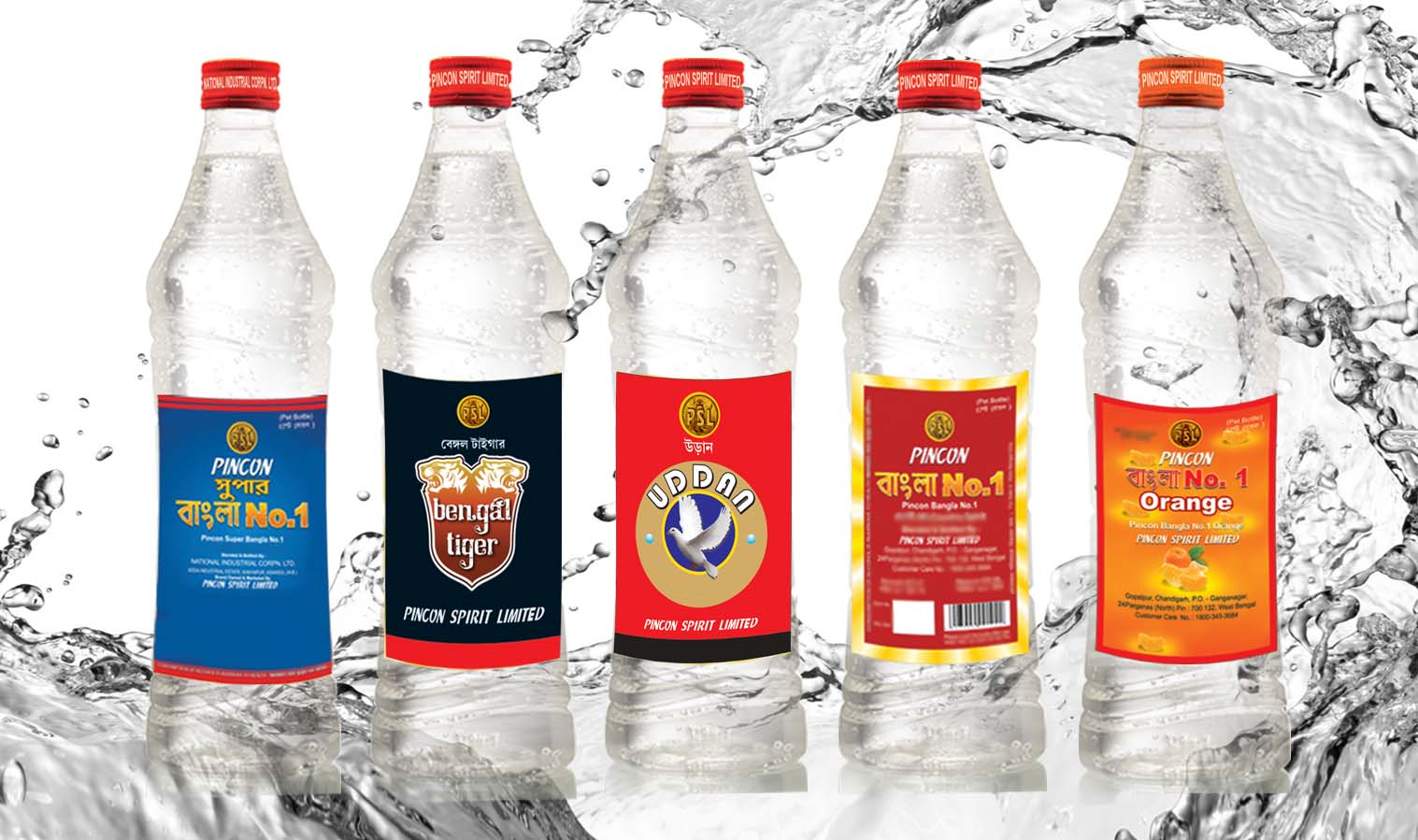
Now the fundamentals: legally available (read tax paid) liquor is priced way beyond the means of the poorest in India. Typical moonshine (read Choilai / Pouch) costs about INR 10 for half a liter, whereas legitimate country liquor (Bangla for the uninitiated) would cost INR 50 and India made foreign liquor much more. Naturally, for those among the poorest of the poor the choice for a tipple is clear – risks on the downside be damned.
But why are the taxes so high? Here too the answer is simple – demand for booze being inelastic the authorities find it to be a legitimate source of revenues, choosing to milch the proverbial cow. Add to it the stated objective of welfare of the state, and the imposition of such “sin taxes”, also get the justifications they deserve. Besides, the market for sugar Molasses – from which ethanol is derived and from which, in turn, IMFL is brewed in India is highly regulated with various vested interests (read sugar lobby, for example) exerting their influences at play. This too ensures the artificial, even unfair and unjust pricing of alcohol in the country.
Take the case of West Bengal for example. A 180 ml bottle, which is no more than a one shot of liquor, went up from INR 55 before the latest round of tax increase to INR 80. Industry sources point out that of this a whopping INR 60, or 75%, goes to the government as tax. The point to be noted here is interesting – with demand being inelastic, do consumers withhold their consumption following a price rise? The answer too is interesting in its simplicity. No they don’t. They just shift to the illegally brewed stuff that is ubiquitous.
The result off course is more health complications, even deaths. Which, effectively means, that the higher the price (read taxes) of India Made Indian Liquor (IMIL), the higher will be the load on Government facilities like Hospitals. There being a direct correlation between tax burden on IMIL and hospital admissions brought about by the consumption of spurious liquor. A correlation, that should be taken into consideration before the taxes are tinkered with, for, isn’t this a clear case of the Government paying for its own taxes? But then again, while all the concerned accepted the veracity of the argument in theory, no one – neither the health department babus nor the ones from the excise arm – could confirm about such an exercise ever having taken place.
Similar is the case with the policing of illegal liquor – hooch dens, if you may. Illegal distillation is all about stealing the Government’s revenues. Naturally, the money they generate goes straight into the parallel, black economy, which feeds and sustains crime apart from being the prime mover of a variety of anti-social activities. Physical policing is not the solution considering the small scale of the operations, sheer numbers and the ability of new shacks springing up, like the phoenix, from the ashes of police action. What then is the solution?
The answer too can be found in pure economics. If the Government reduces the duty, it can easily offset the amount of revenue that will be lost by such action by widening the tax base, as lower price will tempt consumers to shift from the illegal to the legal. Such a shift will have its obviously have its impact on the illegal distilling operations, thereby impacting the crime scene as well, which in turn will help the police forces to concentrate on more immediate needs. And in the long term, stress on the health facilities will also be reduced as consumption of properly distilled alcohol will be far less hazardous than the consumption of their cousins from the dark side.
Monoranjan Roy, the young and dynamic CMD of the BSE and NSE listed Pincon Spirits Limited smiles with contentment when I face him with the facts: “it is precisely for these underlying reasons that we have introduced so many of our brands to the market, especially in the price points where they are offered, both in the IMFL and IMIL segments”. Known to have played the role of a disruptor in market, Roy has reasons to smile that smile of contentment – his brands are not only growing at a frenetic pace, but are also serious contenders for the top slots in the segments they are in. As a matter of fact, he is credited with creating the entire genre for branded Bangla (country) liquor in the state, where the real action is taking place.
“Besides” continues Roy, “a shift from the illegal varieties of alcohol to the legal, tax paid tipple will ensure the setting up of new distilleries, which in effect means fresh, new investment in the industry starved state, employment generation and ancillaries”.
Ill raise my glass to that.
Cheers!
]]> The Doctors, God save their ilk, are a busy lot. Between doing the rounds in the Hospitals and Nursing Homes they are attached to and conducting the private practices, they hardly have a social life worth talking about. Family and friends are often mere interludes – lucid intervals, if you may, in the endless (and often maddening) rush of patients. To expect them to keep themselves abreast of the latest medical trends and be in tune with the advancements of science, at least even in their respective domains, is nothing less than sacrilege. As a matter of fact, many doctors use the interactions they are almost forced to have with the Medical Representatives of pharmaceutical and other suppliers to catch up with the latest, despite being well aware about the obvious downsides of such a course.
And it is here that Social Media is increasingly playing a stellar role. For one, like everyone else, the Doctors too have been bitten by the Bug and thankfully, they are not restricting themselves to selfies from the operation theatres. The dissemination of research findings for example, this I say in full knowledge of the fact that they are still overwhelmingly restricted to the print format, is circulating with greater frequencies between Doctors who are embracing the net to keep themselves abreast with important happenings from around the medical world. Twitter conversations that grow around specific hashtags and online patient communities for myriad ailments or concerns are increasingly engaging concerned physicians. Needless to say, such discourses in the public space is also doing a world of good to the patients apart from helping knowledge find its natural watermark.
And, all this is well beyond the one to one interactions between the patient and the Doctors that have been made possible by the increasing use of technology in general and the social media in particular. It will also be pertinent to point out the emergence of a million APPs that have come into play specifically targeting issues and concerns about healthcare, which too have demolished the walls that open existed between those needing and those administering medication.
Twitter is also emerging as the preferred platform for physicians because of its brevity and to the no-nonsense format which is also borne out by the fact that major medical conferences are now stalked mostly by their meeting specific hashtags. And, in the context, we are not even considering the steady increase in the profiles of those engaged in the medical profession in Linkedin.
This shift from the print to the social space has also impacted the way medical literature is being valued or assessed. Gone are the days of citations which have been replaced by likes and follows and page views. This system as we all know, is remarkable democratic in shifting the grains from the chaff and provides for the free flow of information – both congratulatory and condemning, with their obvious benefits.
If Twitter has breached the boundaries, then Blogs have, and read my lips, will continue to provide physicians with the voice that traditional media never gave them. There are millions of people out there who want to hear them and there are the Doctors who want to share their concerns, outside the hallowed halls of conferences (where they could speak only before peers) and their chambers (where they could speak to only a lucky few) – a dichotomy that is being addressed by the blogs. And here too, the opportunity for everyone to take part in the conversation is what is really ensuring that the ripple grows up to become the tsunami that it is destined to be.
Health Insurance entities, pharmaceutical companies, governmental bodies, medical associations, patient welfare societies … everybody is jumping into the Social Media fray, which is, again needless to say, a good thing that has happened to the medical practice in a long, long time. As a matter of fact, as more conversations take place in real time around a specific medical term, the more knowledge will be dissipated leading to more information for the laypersons to access and make their decisions on.
However, like every good thing, Social Media too comes with riders and caveats. There are concerns about ethicality, privacy and professionalism. There is also the very real fear that Social Media can be used as a tool for propaganda and the dissemination of misinformation or even the curation of content. Social Media familiarity, to coin a term, may also breed contempt. That is perhaps reason why guidelines have already been devised by clinicians from the British Journal of Urology International and the European Association of Urology, for example, recommending ways to use social media responsibly.
The piece was written for the Express Health Guide 2016.
]]> Mumbai; 09th March 2016: Arogya Finance, a social healthcare venture based in Mumbai is tying- up with various doctors and hospitals for bariatric surgeries, joints treatments and many more. Arogya Finance will facilitate easy Equated Monthly Installments to patients to pay for the treatments provided by the doctors and hospitals.
“Unexpected healthcare expenses have led to over 40 million people to fall into poverty every year due to heavy expenses incurred for numerous treatments. Arogya Finance has initiated tie-ups with various doctors and hospitals to make medical loans available to patients at the right time and place in different parts of India. We are already in talks with many hospitals, pharma companies and major doctors across India to provide a one-stop financial solution for people in need whenever and wherever there is an unforeseen medical emergency.” said Mr. Jose Peter, Co-Founder and CEO of Arogya Finance.
“This endeavor would go a long way in helping needy patients struggling with the scourge of type 2 diabetes as a result of morbid obesity. Metabolic surgery is still not approved by most insurance companies and the disposable cost of staplers and devices makes this surgery expensive for the common man. The Arogya Finance scheme gives patients hope at living a disease free life.” says Dr. Muffazal Lakdawala, Founder and Director, CODS (Centre for Obesity and Digestive Surgery)
Arogya Finance does not require collaterals or formal income proof which is mandatory in other forms of finance. Arogya Finance offers a pre-approved loan and makes it easily available within 24 hours. The company offers medical loans to the traditionally un-bankable, using psychometric tests as an innovative risk assessment tool to enable evaluation of the credit risk profile of people outside the formal banking system. The borrowers can repay the loans in EMIs of up to 36 months and is calculated in a way that it does not exceed 25% of the total family income.
Arogya Finance has been recognized as one of India’s most unique social innovators by “Innovations in Healthcare,” an organization founded by McKinsey, USAID, the World Economic Forum and Social Entrepreneurship Accelerator at Duke (SEAD). With over 150 healthcare delivery partners and presence in 12 states, Arogya plans to implement the concept of Arogya Card across the nation.
About Arogya Finance: (www.arogyafinance.com)
Arogya Finance, co-founded by Mr. Jose Peter and Mr. Dheeraj Batra, is a social healthcare venture, which offers medical loans to the traditionally un-bankable, using innovative risk assessment tools that allows them to finance people outside the formal banking system. The business model is structured in a way, that it directly pays the medical bills of an individual to the hospital or the healthcare service provider. Arogya Finance has partnered with hospitals and other healthcare providers to ensure that people can access medical loans for themselves and their families. Patients borrow from and repay Arogya Finance directly leaving them free to get treated wherever they choose to do so.
To ensure maximum reach, Arogya Finance has developed a path-breaking proprietary approach, which enables it to lend to even those who fall outside the formal sector. Arogya’s approach does not require collateral or income proof. Arogya has developed a truly Indian approach for India.
]]>VIP service provides patients with free parking, Wi-Fi, and refreshments at Dubai and Sharjah hospitals
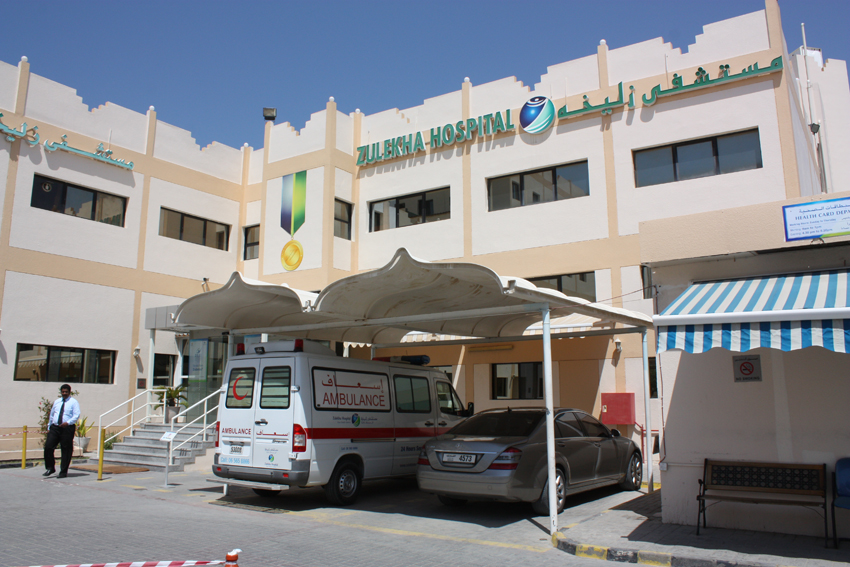
Dubai, UAE, 9 September, 2015: Patients at Zulekha Hospital in Dubai and Sharjah now have the opportunity to experience a new fast-track service to make their doctor’s appointments easier and more convenient.
The multi-disciplinary, award winning hospitals have introduced the premium service fast-track lounge to offer patients a speedier appointment and 30 minute consultations.
The one stop shop fast-track lounge provides appointment slip generation, payments, insurance approvals, doctor’s consultation, sample collection and medication dispatching all in the same dedicated area and patients also have access to free Wi-Fi and refreshments.
“The new fast-track service was implemented in response to feedback from our patients and has been very well received so far. We’re giving the community a choice in their treatment services and this new option makes life easier for those with especially busy schedules,” said Zanubia Shams, CEO of Zulekha Hospital.
“We’re always looking to go that extra step to take the best possible care of our patients and we hope we can satisfy all of their needs through the introduction of our new fast-track service.”
Fast-track patients are monitored by a dedicated coordinator who liaises with doctors and other healthcare professionals to make sure the process is up to speed and being handled timely and efficiently.
One of the forerunners in UAE healthcare, Zulekha Hospital has earned widespread recognition for service to patients, collecting the Dubai Quality Award twice in the last four years.
]]>Hospitals in Sharjah and Dubai promote conservation, raise awareness of reducing electricity usage
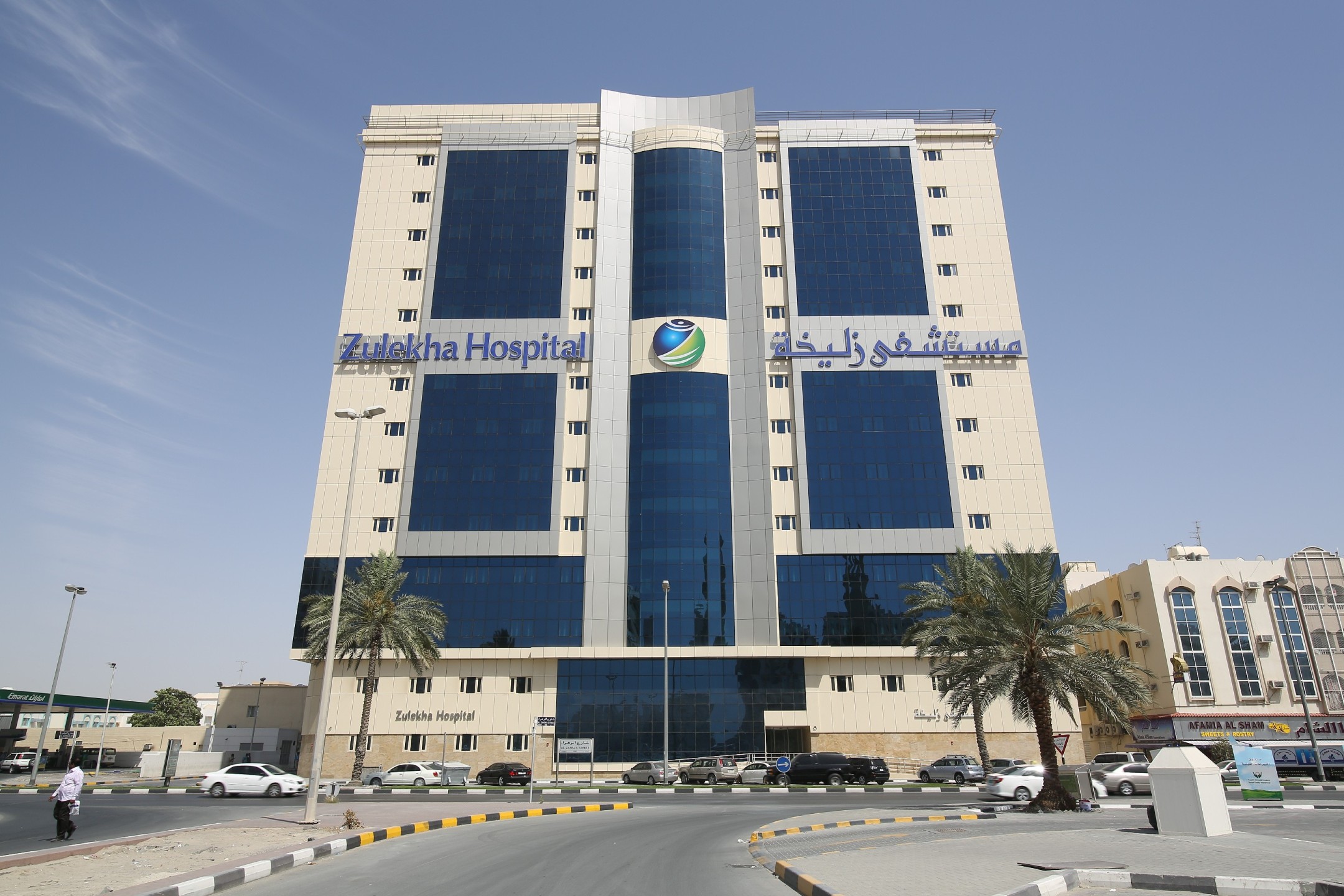
Dubai, UAE, 8 July, 2015: Zulekha Healthcare Group will use experience gained during the ‘PEAK HOUR’ energy saving drive in Sharjah to increase the efficiency of its electricity and water consumption.
More than 500 staff at the Zulekha multidisciplinary hospitals in Dubai and Sharjah took part in last week’s initiative, which was launched under the instruction of His Highness Sheikh Dr. Sultan bin Mohamed Al Qassimi, the Supreme Council Member and Ruler of Sharjah.
With posters placed throughout the hospitals on behalf of the Sharjah Electricity & Water Authority (SEWA) to increase awareness of the One Saving Hour initiative on 1 July, a major effort was made by all to use minimal lighting in the hospitals and switch off unused equipment and devices. Zulekha Healthcare Group pays conscious efforts in selecting and procuring Energy Efficient Medical Equipment, Mechanical Equipment and also low power consuming LED lights within its hospitals.
“As a responsible healthcare provider, we recognise the importance of SEWA’s commitment to a sustainable lifestyle beyond the hour and willingly turned off any unused equipment and lighting on 1st July to mark the inaugural ‘PEAK HOUR,” said Taher Shams, President of Zulekha Healthcare Group.
“Zulekha Healthcare Group, a member of the Sharjah Electricity & Water Authority energy team, pays close attention to the demand for both electricity and water which is ever-growing and requires huge investments.
“We are constantly making a conscious effort to turn off any unnecessary lighting and devices within our hospitals and will continue to strengthen our community’s sustainability by doing so.”
The aim of the One Saving Hour Initiative which will now take place annually on 1 July, is to promote the conservation culture and raise community awareness about rational use of electricity and reduction of toxic emissions. The initiative is intended to inform and educate customers on the importance of avoiding the use of electrical appliances and devices during peak hours.
The One Saving Hour is one of several campaigns launched by SEWA throughout the year to spread awareness on conservation, protecting the environment and building a sustainable future for the Emirate of Sharjah.
Zulekha Healthcare Group also recently commemorated World Environment Day by embarking on a series of committed initiatives with its patrons and staff, together taking the pledge to save planet earth for the sake of future generations.
Over three days, Zulekha hospitals in Dubai and Sharjah actively embraced the “Think Green, Stay Green” environmental drive as part of its ongoing sustainability programme. Patrons joined management and staff at a tree planting ceremony outside Zulekha Hospital in Sharjah to symbolise the commitment to environmental care by Zulekha Healthcare Group.
]]>As a part of spreading awareness during the Road Safety Week, Wockhardt Hospitals distributed first aid kits to highway police stations

Mumbai, February 2, 2015: Wockhardt Group of Hospitals in a unique initiative distributed first aid kits to a massive 63 highway police stations across the state of Maharashtra. These kits were distributed as a part of the “Road Safety Week” where people are made aware about the importance of safe driving. The kits were distributed through the month of January across 43 Traffic Aid Posts on the prominent National & State Highways in Maharashtra. Through this initiative, they covered NH 07, NH 06 & NH 69; NH 03 & NH 50 and NH 08 highways in Nagpur, Nashik, Mira-Bhayandar respectively. In Mumbai, they covered Eastern Express Highway, Sion – Panvel Expressway and Western Express Highway.
With the increase in number of road accidents and deaths due to accident injuries, it is imperative for healthcare institutes along with the public to take some steps towards safety. Distribution of these first aid kits is a measure along the same lines. Although several celebrities have come forward with the message of safe driving etc, more needs to be done.
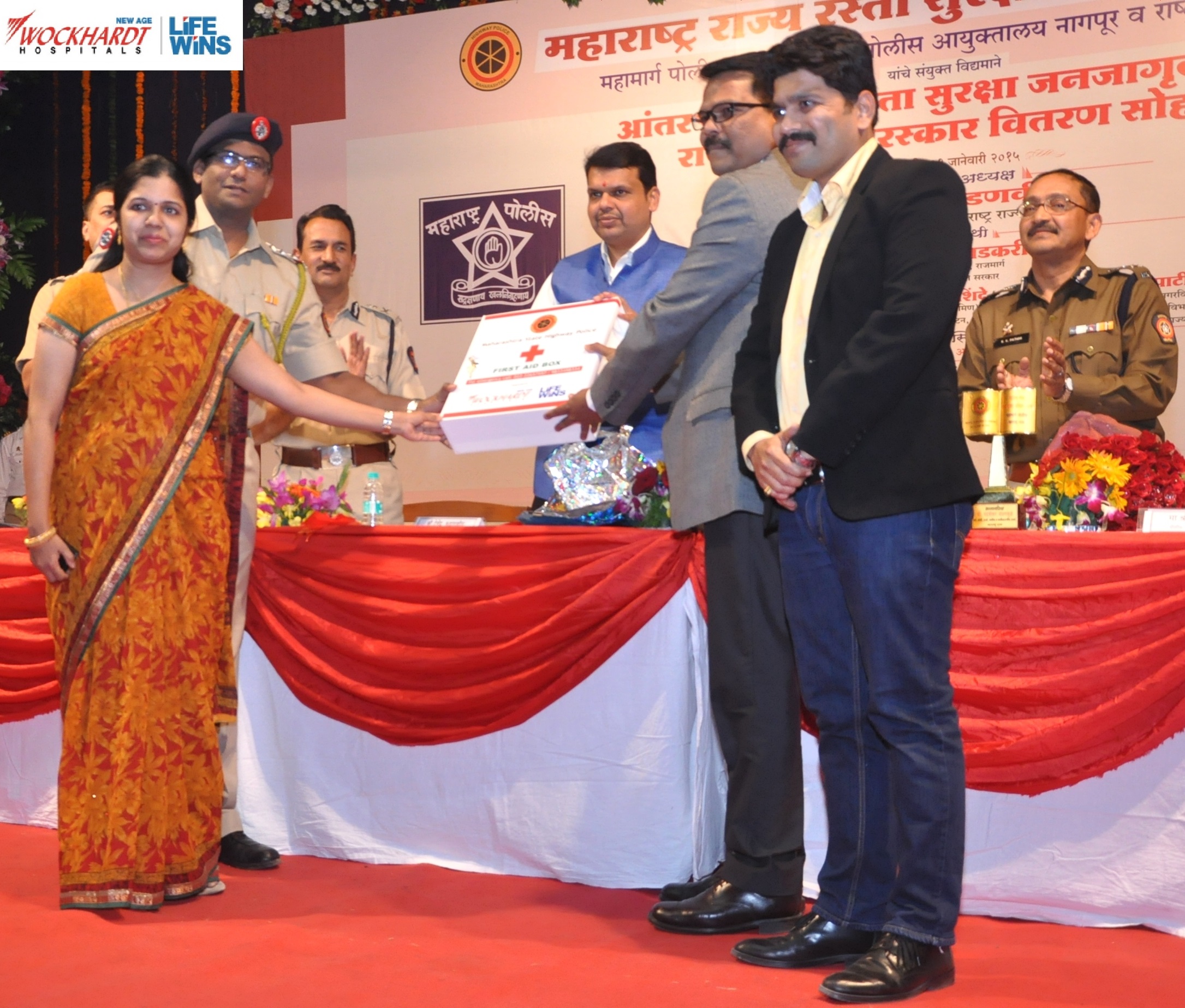
In Maharashtra, Wockhardt Hospitals distributed the first aid kits in the cities of Nashik, Nagpur, Vashi, Mira-Bhayandar and Mumbai. As a part of the initiative, the honourable Chief Minister of Maharashtra, Devendra Fadnavis was also presented with these kits at Nagpur, and briefed about the programme. He appreciated the steps taken by Wockhardt Hospitals for the safety of people.
“At Wockhardt Hospitals, we treat several cases of road accidents, and it involves both adults as well as children. By providing these first aid kits to the highway police stations, we wish to spread the awareness about driving safe along with highlighting the importance of first aid care. Any small measure that can be done prior to a patient arriving at the hospital helps,” said Zahabiya Khorakiwala, Managing Director, Wockhardt Group of Hospitals.
A few months ago, the hospital had undertaken several sessions like CPR and other training for policemen to teach them how to provide first aid during emergencies.
About Wockhardt Hospitals:
Wockhardt Hospitals is a chain of tertiary care super-specialty hospitals with facilities in Goa, Nagpur, Nasik, Vashi (Navi Mumbai), Rajkot, Surat, Mira Road and South Mumbai. All Wockhardt Hospitals have state-of-the-art infrastructure and globally benchmarked processes to enable Patient Care & Safety. Wockhardt Hospitals Ltd. is one of the few professionally managed corporate hospital groups in the country which put patient safety and quality of care at the core of its strategy. The overall 800 bedded hospitals have over 1000 Standard Operating Procedures or Protocols for both clinical and non-clinical processes in place. The guiding philosophy is to serve and enrich the Quality of Life patients.
]]>