The post CARS TAUGHT TO PREDICT WHAT HAPPENS NEXT WILL PREVENT COLLISIONS WITH PEDESTRIANS ON UAE ROADS appeared first on Core Sector Communique.
]]>Bosch researchers fine-tuning autonomous driving technology to cut accidents on busy streets by 58%
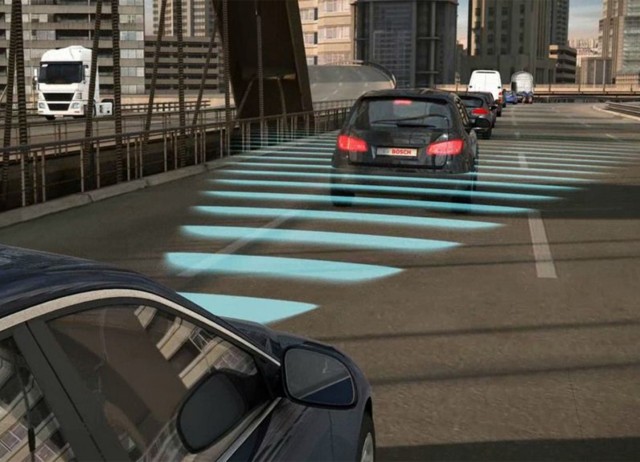
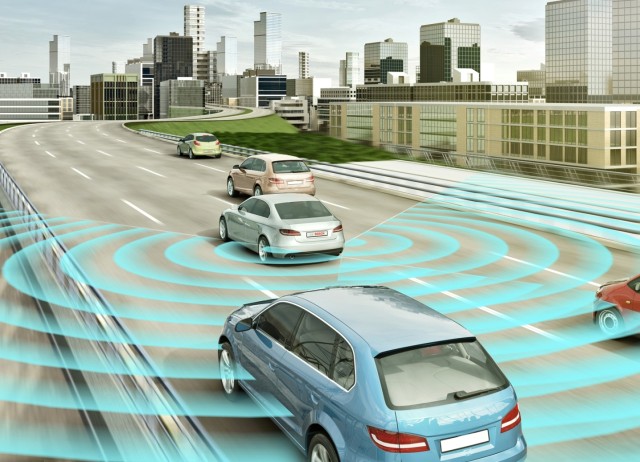
Dubai, UAE: Cars taught to predict what happens next when driven through busy streets will take road safety to a new level for the next generation of UAE motorists and pedestrians.
Bosch researchers are fine-tuning newly developed technology to dramatically enhance the effectiveness of the automated driver assistance systems currently in use, and studies show 58% of accidents can be avoided.
In cities like Abu Dhabi and Dubai, traffic is often congested and unpredictable. Cars share the streets with bicycles, motorcycles, trucks, and buses, and it is not unusual for pedestrians to step out into the street without warning.
“The prospect of vehicles negotiating these hazards completely autonomously is almost unimaginable, but autonomous driving is coming to our cities in the Gulf region,” said Andreas Bodemer, Vice President of Bosch Automotive Aftermarket Middle East and Africa.
“A team of Bosch researchers in Germany have developed an assistance system that intervenes to prevent a collision with a pedestrian. It teaches cars to predict what is going to happen next, and helps drivers take evasive action whenever there is a threat of a collision.
“If braking alone is not enough to prevent a collision when a pedestrian suddenly walks out in front of a car, as soon as the driver starts using the steering wheel to take evasive action, the system kicks in to support the steering maneuver
“According to our studies, provided the driver reacts at least half a second before a potential collision, the assistance system can help avoid it in 58 percent of cases.“
The next step is to use technoclogy to keep drivers‘ eyes on the road. Explained Bodemer: “Critical situations arise when drivers are distracted and not looking at the road. Bosch’s solution to this is called driver observation.
“By monitoring drivers’ line of sight, tiny cameras in the vehicle’s interior can tell whether their eyes are on the road. This makes it possible to warn them in good time before the traffic situation becomes risky. We believe it helps to place indicators in the instrument clusters or an LED display on the dashboard directly in the driver’s field of vision.“
Bosch has successfully been driving a number of automated test vehicles in normal traffic on Germany freeways since the beginning of 2013.
From 2020 it is expected that vehicles featuring this Bosch technology will be capable of highly automated freeway driving without the need for constant driver supervision.
Bosch driver assistance systems, including lane assistants which warn drivers not to stray, are already in use on the roads of the UAE where Bosch operates a nation-wide network of workshops dedicated to delivering quality service and genuine spare parts.
The post CARS TAUGHT TO PREDICT WHAT HAPPENS NEXT WILL PREVENT COLLISIONS WITH PEDESTRIANS ON UAE ROADS appeared first on Core Sector Communique.
]]>The post HAPPY BIRTHDAY! BUT IT HAS NOT BEEN AN EASY JOURNEY FOR THE AUTOMATIC TRANSMISSION appeared first on Core Sector Communique.
]]>- 50 years ago Bosch began teaching the car to change gear itself
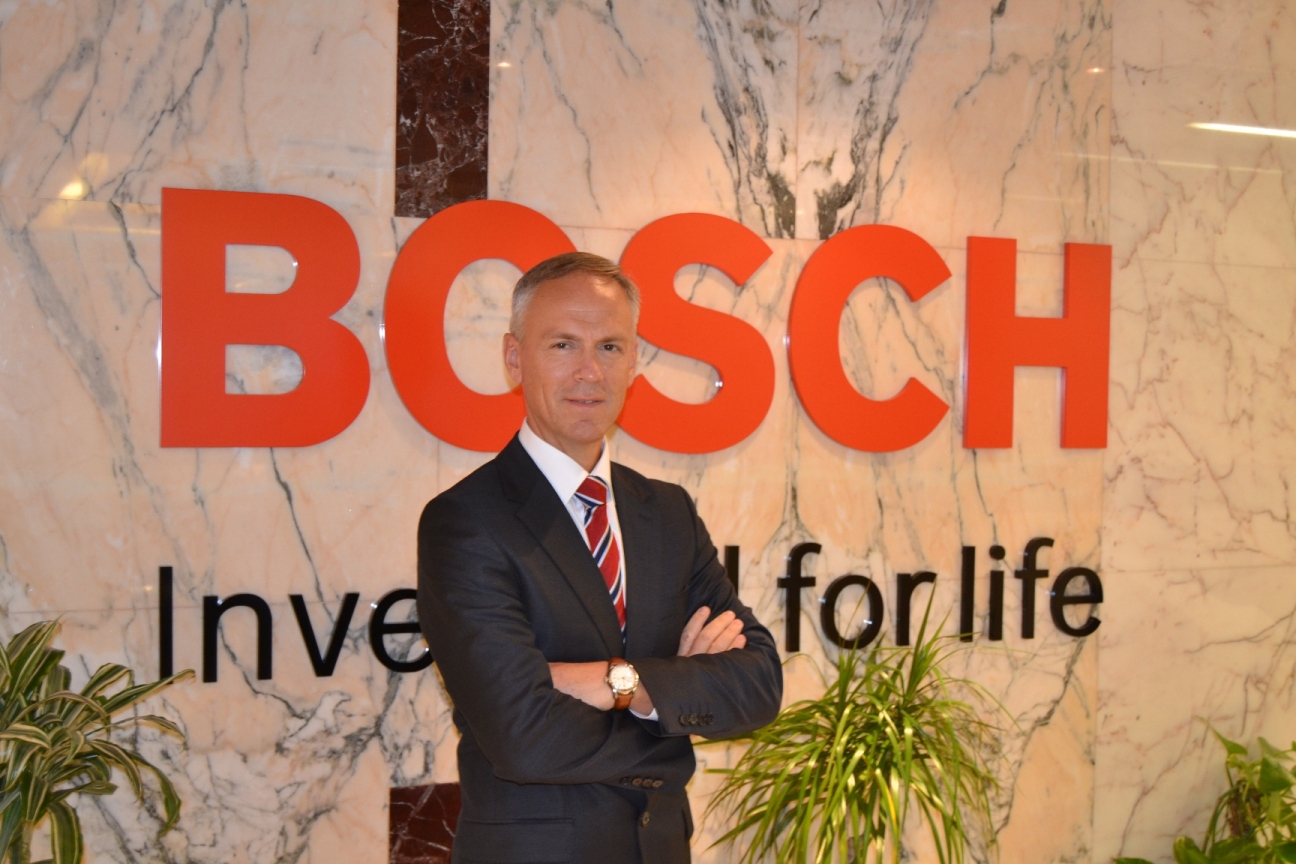
Dubai, UAE: The next time you drive your car home or to work in the UAE, its automatic gear change operating smoothly and effortlessly, you might reflect that it took half a century of testing and ingenuity to reach this point.
It was 50 years ago that the first Bosch prototype featuring electronic transmission control made its maiden journey, the start of an exercise in teaching the car to change gear for itself.
Today, half of all new vehicles in the world – perhaps more in markets like the UAE – are equipped with an automatic transmission, but it was never an easy transition for the car.
Used in 1965 as a test vehicle for a completely new type of system, the Glas 1700, a mid-range sedan, was said at the time to move as if by magic thanks to its revolutionary electronic gearshift.
The technology meant drivers had no need to depress the clutch, or shift gears by hand. It was an affordable alternative to expensive automatic transmissions, offered almost exclusively in luxury sedans.
But electronic transmission control technology was ahead of its time. “The market wasn’t ready for it,” said Andreas Bodemer, Regional President of Bosch Automotive Aftermarket Middle East and Africa based in Dubai. “In addition, the family-owned company Glas was acquired by BMW, and the automaker was not interested in using the new technology in its cars.”
| Fast forward to 1979, and another Bosch invention triggered the mass success of the self-shifting transmission. With Motronic – a combination of electronic fuel injection and ignition – Bosch uniquely installed a freely programmable microprocessor in cars. It was the first time a computer had been used in an automobile.
“This basically offered a second chance for the transmission control system – this time for automatic, not manual, transmissions,” said Bodemer. “Combining the two systems, electronic transmission control and engine management, made automatic gear change far easier.”
In 1983, this transmission control system was installed for the first time in the BMW 745i. At the time, the technology was still quite exclusive, but over the next two decades it became standard in all cars with automatic transmissions.
The electronic transmission control, which synchronizes gear shifts with injection and ignition parameters provides optimum driving performance, comfort, fuel consumption, and emissions. Things we demand in our cars today.
The transmission control system selects gears in such a way that the engine is almost always in the ideal operating range. To make sure it stays that way, modern transmissions are equipped with digital intelligence that would have been science fiction not long ago.
In fact, the processing capacity of a modern transmission control unit is 160 times more powerful than that of the computer used for the first flight to the moon.
The journey continues, and Bosch now offers the electronic horizon, which connects the transmission with up-to-the-minute navigation information. Navigation systems shift the car into neutral during coasting and use the momentum built up when a lower speed is needed beyond the next bend.
The result can be additional fuel savings of ten per cent or more. From teaching the car to change gear, to helping it reduce emissions and be more environmental friendly. What’s next? |
began teaching the car to change gear itself
Dubai, UAE: The next time you drive your car home or to work in the UAE, its automatic gear change operating smoothly and effortlessly, you might reflect that it took half a century of testing and ingenuity to reach this point.
It was 50 years ago that the first Bosch prototype featuring electronic transmission control made its maiden journey, the start of an exercise in teaching the car to change gear for itself.
Today, half of all new vehicles in the world – perhaps more in markets like the UAE – are equipped with an automatic transmission, but it was never an easy transition for the car.
Used in 1965 as a test vehicle for a completely new type of system, the Glas 1700, a mid-range sedan, was said at the time to move as if by magic thanks to its revolutionary electronic gearshift.
The technology meant drivers had no need to depress the clutch, or shift gears by hand. It was an affordable alternative to expensive automatic transmissions, offered almost exclusively in luxury sedans.
But electronic transmission control technology was ahead of its time. “The market wasn’t ready for it,” said Andreas Bodemer, Regional President of Bosch Automotive Aftermarket Middle East and Africa based in Dubai. “In addition, the family-owned company Glas was acquired by BMW, and the automaker was not interested in using the new technology in its cars.”
| Fast forward to 1979, and another Bosch invention triggered the mass success of the self-shifting transmission. With Motronic – a combination of electronic fuel injection and ignition – Bosch uniquely installed a freely programmable microprocessor in cars. It was the first time a computer had been used in an automobile.
“This basically offered a second chance for the transmission control system – this time for automatic, not manual, transmissions,” said Bodemer. “Combining the two systems, electronic transmission control and engine management, made automatic gear change far easier.”
In 1983, this transmission control system was installed for the first time in the BMW 745i. At the time, the technology was still quite exclusive, but over the next two decades it became standard in all cars with automatic transmissions.
The electronic transmission control, which synchronizes gear shifts with injection and ignition parameters provides optimum driving performance, comfort, fuel consumption, and emissions. Things we demand in our cars today.
The transmission control system selects gears in such a way that the engine is almost always in the ideal operating range. To make sure it stays that way, modern transmissions are equipped with digital intelligence that would have been science fiction not long ago.
In fact, the processing capacity of a modern transmission control unit is 160 times more powerful than that of the computer used for the first flight to the moon.
The journey continues, and Bosch now offers the electronic horizon, which connects the transmission with up-to-the-minute navigation information. Navigation systems shift the car into neutral during coasting and use the momentum built up when a lower speed is needed beyond the next bend.
The result can be additional fuel savings of ten per cent or more. From teaching the car to change gear, to helping it reduce emissions and be more environmental friendly. What’s next? |
The post HAPPY BIRTHDAY! BUT IT HAS NOT BEEN AN EASY JOURNEY FOR THE AUTOMATIC TRANSMISSION appeared first on Core Sector Communique.
]]>The post BOSCH MOVES TO MAKE FUTURE OF MOTORCYCLING SAFER, GREENER appeared first on Core Sector Communique.
]]>ATCUAE President Sulayem says technology leaders needed to play key role in reducing accident threat
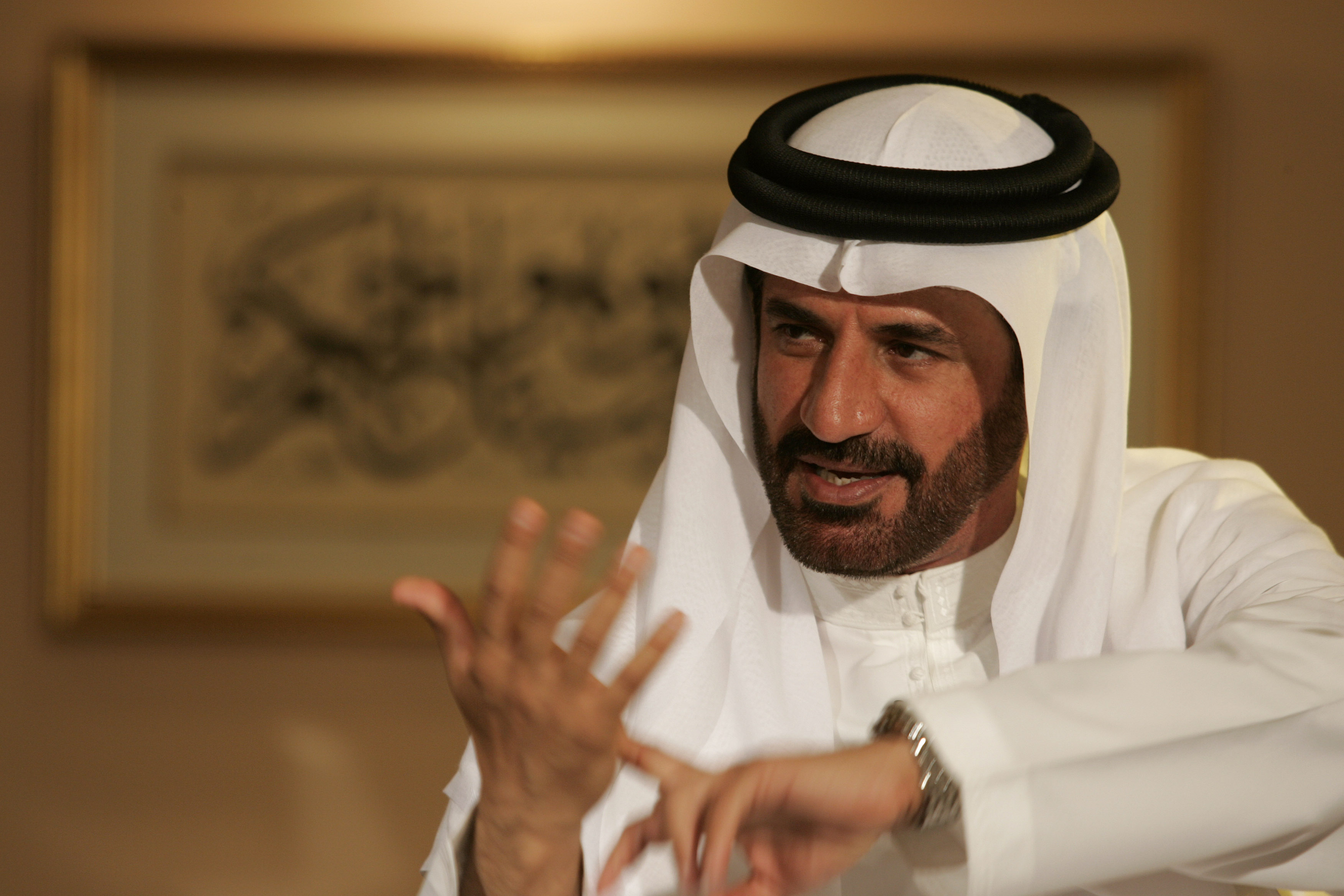
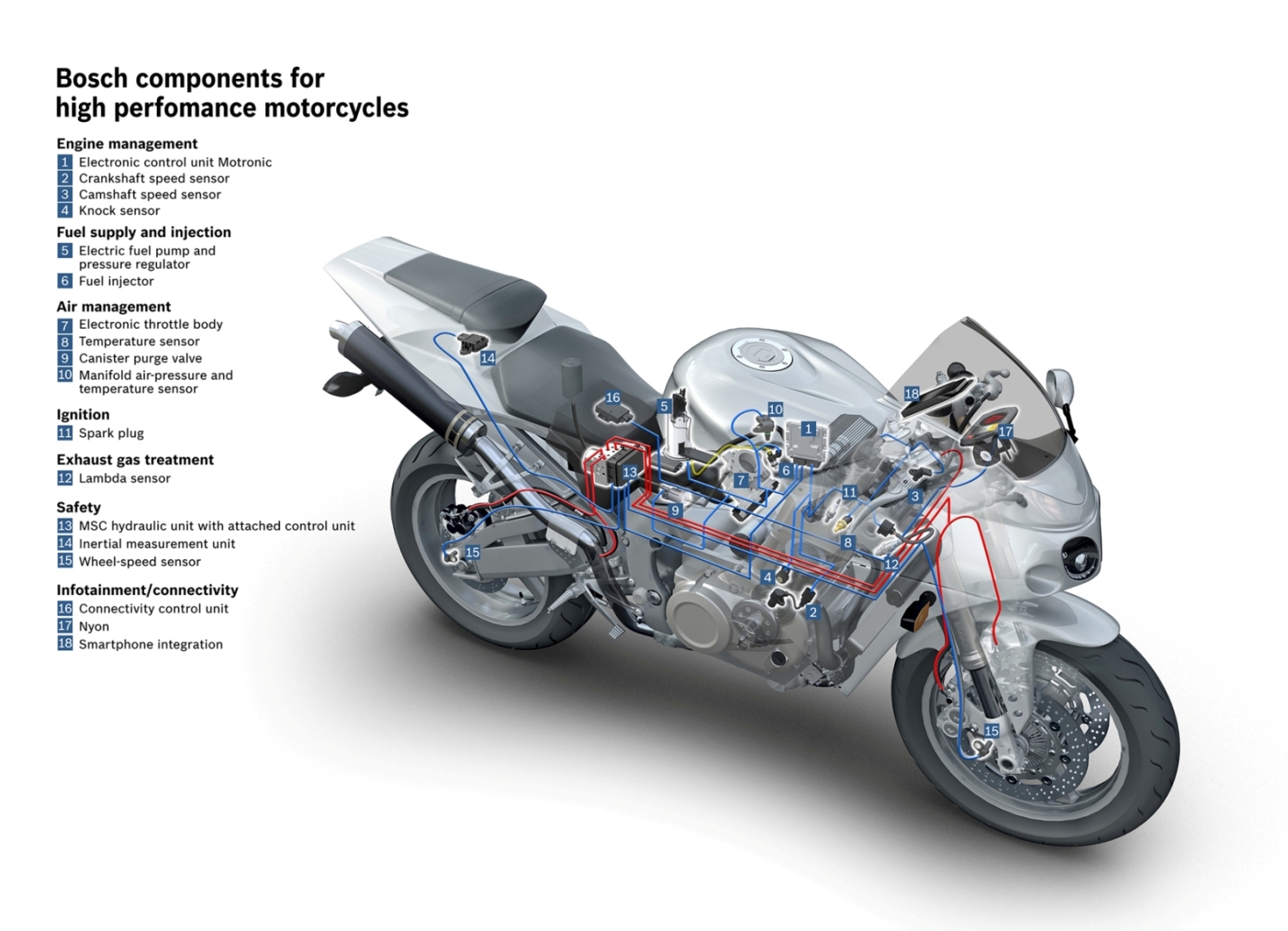
Dubai, UAE: Motorcycle riding in the UAE and the rest of the Gulf region is set for a safer and more eco-friendly future under major plans by Bosch to reposition itself in the rapidly expanding motorcycle market.
The technology and services company is about to pool its motorcycle activities from the areas of riding safety systems, powertrain technology, and display instruments into one business unit, the newly formed “Two-Wheeler and Powersports.”
The objective is to more effectively address manufacturers’ requirements, with a big emphasis on making sure Bosch technology is better used to make motorcycles safer, as is already the case with cars, and reduce emissions.
“We intend to make the future of motorcycling in regions like the Gulf safer and cleaner,” said Andreas Bodemer, Vice President of Bosch Automotive Aftermarket Middle East and Africa.
“We’re aiming to become a leading supplier in the motorcycle market, just as we are in the auto business. Performance already shows that Bosch technology for more efficiency and safety should be part of any car, and in the future the same will go for motorcycles.”
Use of technology to improve road safety in order to reduce accidents and deaths is strongly supported by Mohammed Ben Sulayem, President of the Automobile and Touring
Club of the UAE, which represents the International Motorcycling Federation (FIM) in the Emirates.
“We need the leaders in this field to continue to develop technology to make our roads safer,” said Sulayem. “Anything that can be done to improve safety for motorcyclists
and all other road users must be encouraged.”
The Bosch reorganisation comes at a time when studies indicate that by 2021, more than 160 million two-wheelers will be produced annually – a third more than today.
Bosch components service the entire two-wheeler spectrum, and the company is the market leader for motorcycle safety equipment such as Anti-lock braking systems (ABS) and Motorcycle Stability Control (MSC).
GIDAS, the accident database, says using ABS can prevent one-quarter of all motorcycle accidents resulting in injuries or fatalities. It also says MSC can have a positive effect on the outcome of two-thirds of all motorcycle accidents caused on curves by rider error.
In countries like the UAE which are witnessing growing measures to protect the environment, Bosch is looking to play an important role with the use of technology that reduces motorcycle fuel consumption.
“Our electronically controlled injection system can cut fuel consumption by up to 16 percent, depending on conditions and environment,” said Bodemer. “This is how we are already helping to reduce emissions in countries such as China and India, and it’s an area where we expect to contribute a great deal more through Bosch technological developments.”
About Bosch
The Automotive Aftermarket division (AA) provides the aftermarket and repair shops worldwide with a complete range of diagnostic and repair shop equipment and a wide range of spare parts – from new and exchange parts to repair solutions – for passenger cars and commercial vehicles. Its product portfolio includes products made as Bosch original equipment, as well as aftermarket products and services developed and manufactured in-house. More than 16,000 associates in 150 countries, as well as a global logistics network, ensure that some 450,000 different spare parts reach customers quickly and on time. In its “Automotive Service Solutions” operations, AA supplies testing and repair-shop technology, diagnostic software, service training, and information services. In addition, the division is responsible for the “Bosch Service” repair-shop franchise, one of the world’s largest independent chains of repair-shops, with some 16,000 franchises.
Additional information can be accessed at www.bosch-automotive.com.
The Bosch Group is a leading global supplier of technology and services, active in the fields of automotive technology, energy and building technology, industrial technology, and consumer goods. According to preliminary figures, more than 306,000 associates generated sales of 52.3 billion euros in 2012. The Bosch Group comprises Robert Bosch GmbH and its more than 350 subsidiaries and regional companies in some 60 countries. If its sales and service partners are included, then Bosch is represented in roughly 150 countries. This worldwide development, manufacturing, and sales network is the foundation for further growth. Bosch spent some 4.5 billion euros for research and development in 2012, and applied for over 4,700 patents worldwide. The Bosch Group’s products and services are designed to fascinate, and to improve the quality of life by providing solutions which are both innovative and beneficial. In this way, the company offers technology worldwide that is “Invented for life.”
Further information is available online at www.bosch.com
The post BOSCH MOVES TO MAKE FUTURE OF MOTORCYCLING SAFER, GREENER appeared first on Core Sector Communique.
]]>The post BOSCH CELEBRATES 100 YEARS of HORNS AND FANFARES appeared first on Core Sector Communique.
]]>GCC motorists urged to use horns wisely

Dubai. Bosch is celebrating 100 years of vehicle horns and fanfares by urging GCC motorists to use them sparingly in order to help save lives on the nation’s roads.
Car horns have been around since the early 1900s, and are an important piece of road safety equipment allowing drivers to let other road users, and pedestrians, know that they are there.
When over used, however, by overzealous or impatient motorists, they can cause major disturbances, and even lead to accidents by startling people, particularly cyclists, causing them to lose control and fall into a car’s path.
This year marks the 100 anniversary of Bosch horns and fanfares, which have been manufactured since 1914, and are characterised by their functional reliability means long life and distinctive strong sound.
Andreas Bodemer, Vice President of Bosch Middle East and Africa said: “Car horns are essentially installed in a car as road safety equipment, and while they have an important role to play they can lead to problems if used for the wrong reasons.
“As we celebrate 100 years of Bosch car horns, we’d like to mark this milestone by encouraging motorists in the Gulf region to use them wisely.”
Today, Bosch offers a wide range of horns and fanfares characterised by fast and strong sound emission, low power consumption, and an attractive design.
Bosch horns, that produce sounds in all directions, are based on the principle of ‘stopped pipes’ used in organ pipe building, which results in a pleasant and very characteristic tone.
Fanfares, an extension of Bosch horns products, however, bundle the sound together thanks to a funnel in the sounder calibrated to a precise pitch that uses a membrane to produce an exceptionally pleasant and soft sound emitted in one direction.
Added Bodemer: “Horns and fanfares are crucial components for all means of transportation, and Bosch engineers have been conscious about this fact since 100 years ago.
“Right from the very beginning, drivers were impressed by the consistent technology, strong sound, long service life, and attractive design of our horns.”
Bosch horns and fanfares are available in a wide variety of models and variants of original equipment, individual design and special requirements for commercial vehicles, cars, SUVs and pick-ups.
Suitable products are also available for classic car enthusiasts since Bosch Automotive Tradition, the classic division of Bosch, gave the famous slotted screws and chrome-plated horn covers – The original was used in many vehicles brands and models from the 1950s and 1930s.
The Automotive Aftermarket division (AA) provides the aftermarket and repair shops worldwide with a complete range of diagnostic and repair shop equipment and a wide range of spare parts – from new and exchange parts to repair solutions – for passenger cars and commercial vehicles. Its product portfolio includes products made as Bosch original equipment, as well as aftermarket products and services developed and manufactured in-house. More than 17,000 associates in 150 countries, as well as a global logistics network, ensure that some 650,000 different spare parts reach customers quickly and on time. In its “Automotive Service Solutions” operations, AA supplies testing and repair-shop technology, diagnostic software, service training, and information services. In addition, the division is responsible for the “Bosch Service” repair-shop franchise, one of the world’s largest independent chains of repair-shops, with some 16,000 franchises.
Additional information can be accessed at www.bosch-automotive.com
The Bosch Group is a leading global supplier of technology and services. In 2013, its roughly 281,000 associates generated sales of 46.1 billion euros. (NB: Due to a change in accounting policies, the 2013 figures can only be compared to a limited extent with the 2012 figures). Its operations are divided into four business sectors: Automotive Technology, Industrial Technology, Consumer Goods, and Energy and Building Technology. The Bosch Group comprises Robert Bosch GmbH and its more than 360 subsidiaries and regional companies in some 50 countries. If its sales and service partners are included, then Bosch is represented in roughly 150 countries. This worldwide development, manufacturing, and sales network is the foundation for further growth. In 2013, the Bosch Group invested some 4.5 billion euros in research and development and applied for some 5,000 patents. This is an average of 20 patents per day. The Bosch Group’s products and services are designed to fascinate, and to improve the quality of life by providing solutions which are both innovative and beneficial. In this way, the company offers technology worldwide that is “Invented for life.”
Additional information is available online at www.bosch.com, www.bosch-press.com and http://twitter.com/BoschPresse
The post BOSCH CELEBRATES 100 YEARS of HORNS AND FANFARES appeared first on Core Sector Communique.
]]>The post STOP-START COASTING SYSTEM TO SAVE FUEL, CUT CO2 EMISSIONS, ON MIDDLE EAST ROADS appeared first on Core Sector Communique.
]]>- Bosch says breakthrough in green automotive engineering will become as common as AC in cars
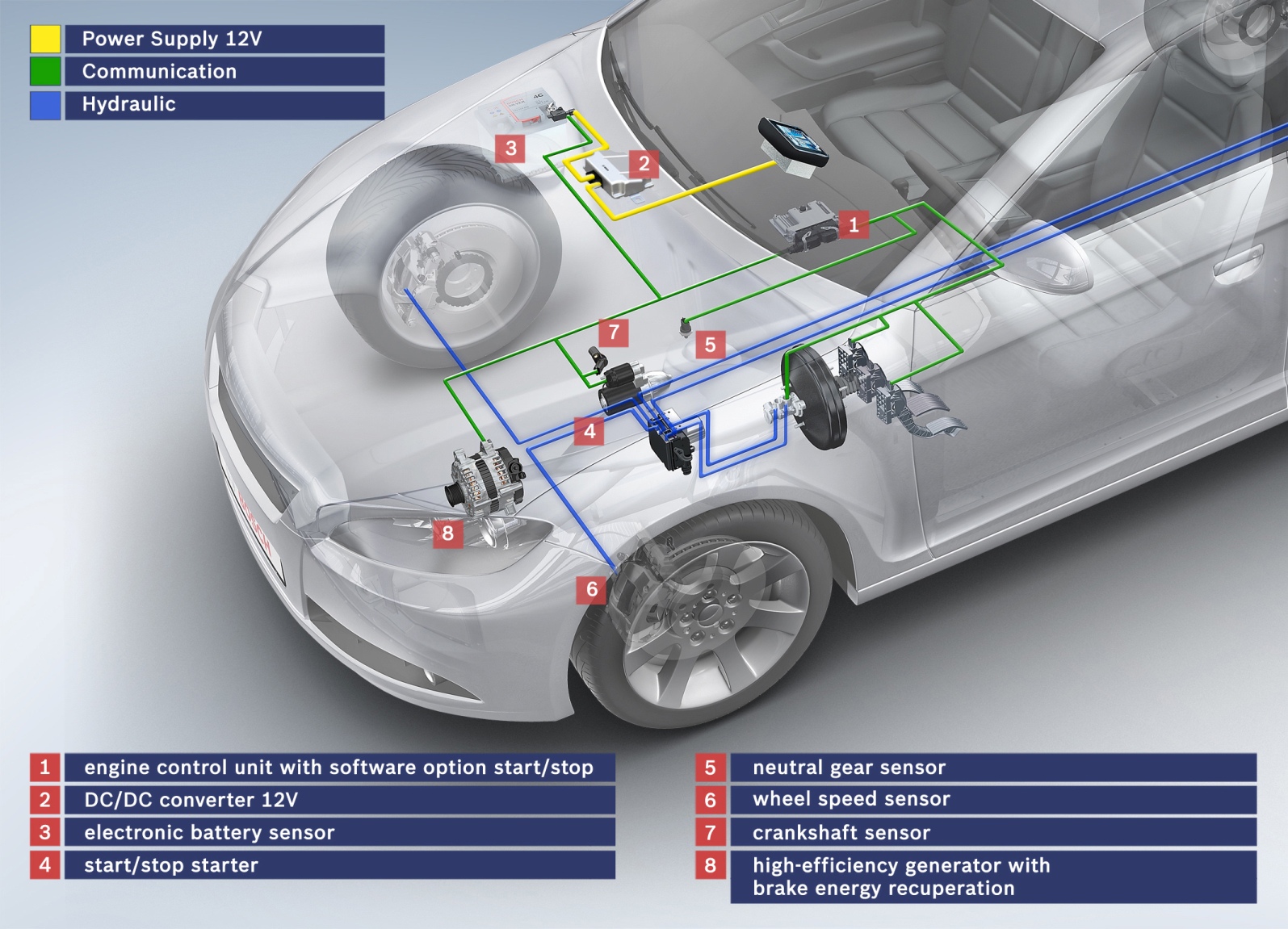
Dubai. A breakthrough in green automotive engineering allowing motorists to cruise for a third of every journey without using fuel, will soon become as common as air conditioning in cars on Middle East roads, an industry expert says.
The new start-stop coasting function from Bosch Automotive enables drivers of combustion engine vehicles to travel in zero-emission, noise-free, low resistence mode over large parts of their journey.
The system cuts CO2 emissions in real traffic and produces a 10 per cent fuel saving by stopping the engine when the vehicle is in motion and the driver takes his foot off the gas.
“Whenever the vehicle can maintain its speed simply by rolling, for instance on a gentle incline, the engine is stopped,” said Andreas Bodemer, Vice President of Bosch Middle East and Africa.
“Then, as soon as the driver touches the gas or brake pedal, the system starts up the engine again.”
Tests carried out by Bosch have shown that the combustion engines runs needlessly about 30 per cent of the time, and a vehicle could simply coast for about a third of every journey.
“The new stop-start system has been designed to capitalise on this, and under real traffic conditions will give drivers a roughly 10 per cent fuel saving,” said Bodemer.
“The system can be integrated in just about any vehicle in the Middle East. Whether you drive a European diesel-powered car, an American gasoline model, or an Asian CNG-powered vehicle, you stand to benefit from this technology.
“Is is affordable, can be combined with any type of combustion engine, and we’re confident it will soon become an everyday feature in cars – just like air conditioning.”
The significance of this latest Bosch green engineering innovation is highlighted by the impact of lower fuel consumption on CO2 Emissions
The first generation of the system stopped the engine only when the vehicle was completely stationary. The new version, thanks to enhanced software, cuts the engine as soon as the driver’s foot is off both the gas and the brake pedals.
The post STOP-START COASTING SYSTEM TO SAVE FUEL, CUT CO2 EMISSIONS, ON MIDDLE EAST ROADS appeared first on Core Sector Communique.
]]>The post Bosch stresses on importance of doing business based on a set of core values appeared first on Core Sector Communique.
]]>Company aiming to spread core values across Middle East markets to be successful in various industries

Bosch, a global supplier of technologies and services, one of the world’s largest automotive suppliers, has expressed confidence in spreading its core values across the Middle East markets. Consistent values help to overcome changing challenges. The company is looking towards leveraging its diverse portfolio of automotive parts and services, power tools, security systems, thermotechnology and its drive and control technologies.
According to Bosch senior executives, the company’s success over the last 128 years can be attributed to its guiding values. They clearly reflect the manner in how to run the business and the professional ethics that have successfully strengthened ties with their business partners, investors, employees and society as a whole. Bosch’s seven core values are:
- Future and Result Focus – Bosch plays a major role in shaping the changes in markets and technologies, which in turn allows the company to provide its customers with innovative solutions.
- Responsibility – All of the company’s actions are in line with the interests of society, placing its products and services in the interests of the safety of people, the economic use of resources and environmental sustainability.
- Initiative and Determination – Bosch acts on its own initiative with an entrepreneurial and accountable spirit demonstrating determination in pursuing its goals.
- Openness and Trust – The Company constantly updates its associates, business partners and investors of important developments – which has been the best basis for a trustful relationship.
- Fairness – Bosch observes mutual fairness as a condition of its corporate success.
- Reliability, Credibility and Legality – The company promises only what it can deliver, accepts agreements as binding and respects the law in all of its business transactions.
- Cultural Diversity – Bosch regards diversity as an asset, as well as a precondition of its global success. In Dubai they are proud of having 20 nationalities among their associates.
“The Middle East’s various markets remain vibrant and on the path to constant growth. Remaining true to our companies’ values helps us to grow along. We offer automotive parts & services as well as the best solutions for the region’s thriving construction industry like security systems, thermotechnology and power tools. In addition, Bosch Rexroth is one of the leading specialists in the field of drive and control technologies representing a one-stop source for controls, electric drives, hydraulics and mechanics.” concluded Volker Bischoff, General Manager & Vice President, Bosch Middle East.
The post Bosch stresses on importance of doing business based on a set of core values appeared first on Core Sector Communique.
]]>The post HELIATEK REACHES EFFICIENCY RECORD WITH 40% TRANSPARENT ORGANIC SOLAR CELLS appeared first on Core Sector Communique.
]]> Ideal for generating energy from windows, façades and glass car roofs Ideal for generating energy from windows, façades and glass car roofs |
|
This lab development underscores the company’s strategy to supply its transparent HeliaFilm
Both these application areas use tinted glass to reduce glare which can be done by applying a film, so changing the film to one that generates electricity as well is a drop-in for manufacturers. Using HeliaFilm The latest generation of organic solar cells with a 40% light transparency reaches an efficiency record of 7.2%. The measurement follows standard testing conditions using a white background. Heliatek thus succeeded in generating an optimal energy conversion for transparent HeliaFilm
The production of HeliaFilm With this development, Heliatek maintains its technology leadership in the production of organic solar films. This milestone development supports Heliatek and its industry partners for the realization of attractive products for applications in the building material and automotive industry. Heliatek has successfully established technology partners, such as AGC Glass Europe, and is ramping up its production for first reference and pilot projects.
About Heliatek: Heliatek was spun-off in 2006 from the Technical University of Dresden and the University of Ulm. The company is one of the leaders in the Organic Electronics Energy field through both its development and its manufacturing of organic solar films based on small molecules. Its business model is to supply custom-designed HeliaFilm |
 Dresden, March 24, 2014 – Heliatek GmbH, world-leading company in the production of organic solar film, has reached a new record in the efficiency of transparent solar cells. The latest development allows transparency levels up to 40% with an efficiency of over 7%. The company already holds the world record of 12% cell efficiency for opaque (non-transparent) organic solar cells.
 to glass manufacturers for both building integration (BIPV) and car roofs. “The transparency of our products is at the core of our market approach. Our HeliaFilm


The post HELIATEK REACHES EFFICIENCY RECORD WITH 40% TRANSPARENT ORGANIC SOLAR CELLS appeared first on Core Sector Communique.
]]>